
On this page
Breast lift recovery is usually a matter of a few weeks for everyday life, with the breasts continuing to settle over several months. Many people return to non-physical work at around one to two weeks, resume gentle activity within a few weeks, and reintroduce more strenuous exercise from around six weeks. This week-by-week guide sets out a typical breast lift recovery, though your own pace will depend on your health, the technique used and how you heal.
Below you will find what to expect at each stage, how to support your healing, and the risks to be aware of. It is general information; personalised advice from your surgical team always takes priority.
Breast lift recovery at a glance
- Non-physical work: often around 1–2 weeks.
- Driving: once comfortable and off strong painkillers, often 1–2 weeks.
- Gentle exercise: gradually from a few weeks, as advised.
- Strenuous or upper-body exercise: usually from about 6 weeks.
- Swelling and scars: continue to improve over many months.
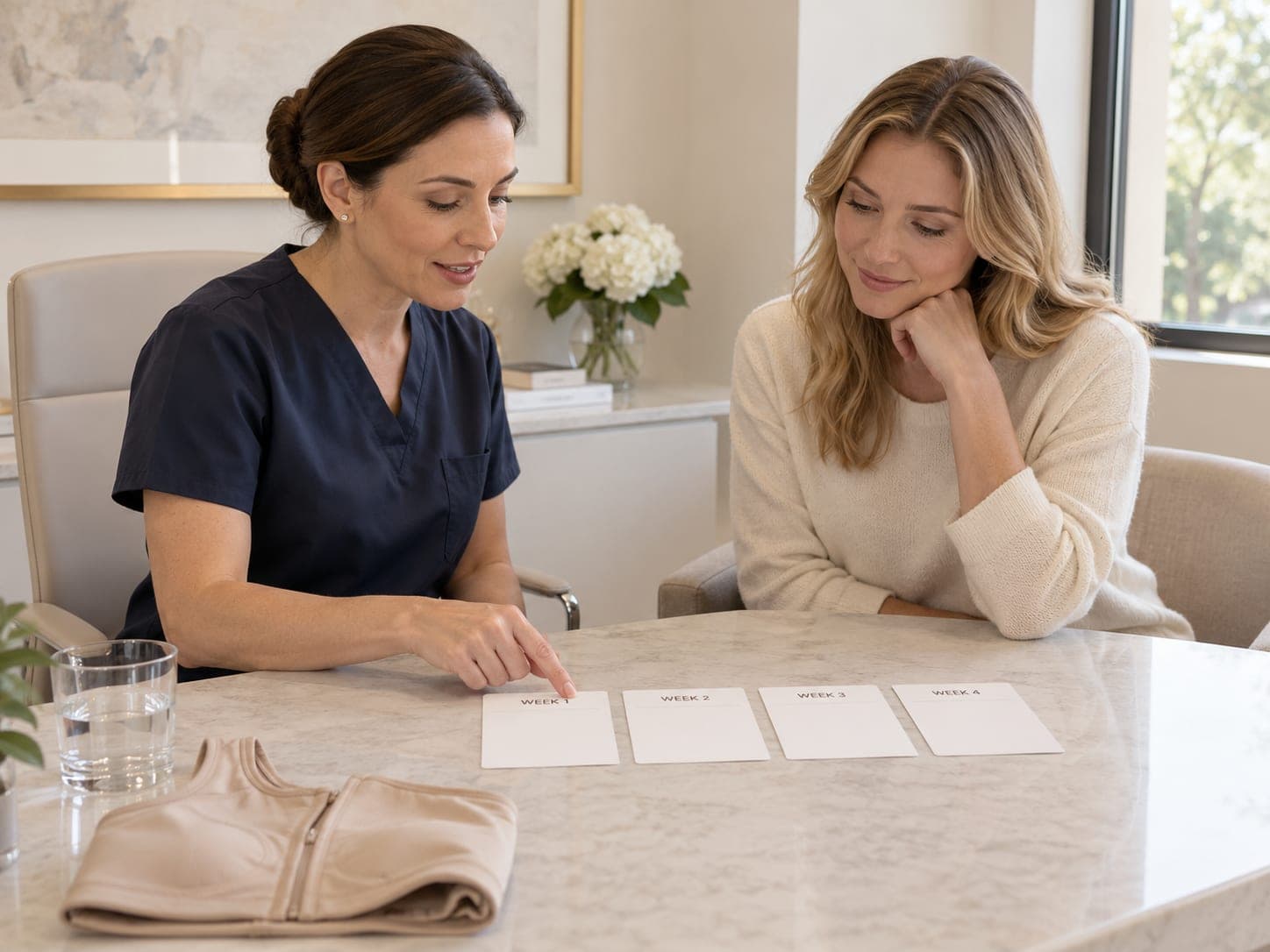
Week-by-week breast lift recovery
The first week
Expect soreness, swelling and tightness, and to wear a supportive surgical bra. Rest is important, but short, gentle walks around the home help circulation. Most discomfort at this stage is managed with the pain relief your team recommends.
Weeks two to three
Many people feel ready to return to non-physical work and light daily activities. Swelling begins to settle, though the breasts may feel firm and sensitive. Continue avoiding lifting, stretching and reaching overhead.
Weeks four to six
Everyday tasks usually feel much easier, and light exercise such as walking can often be increased. Many surgeons allow a return to more demanding activity from around six weeks, with continued support during exercise.
Beyond six weeks
The breasts gradually settle into their new shape and position, and scars begin to mature. Final results become clearer over the following months as swelling fully resolves.
Supporting your recovery
Wearing your recommended support bra, resting adequately, staying hydrated and not smoking all help healing. Gentle movement early on reduces stiffness, while avoiding heavy lifting protects your results. Our recovery after surgery resource offers wider guidance, and our article on the causes of sagging breasts gives helpful context on why lifts are chosen.
Returning to work, driving and exercise
Return to work depends on how physical your job is; office roles are often possible within one to two weeks, manual work later. You should only drive once you can move comfortably, react safely and are no longer taking strong painkillers. Exercise is reintroduced in stages, with chest and upper-body work left until later.
Risks and limitations
Like any surgery, a breast lift carries risks such as bleeding, infection, delayed wound healing, changes in nipple or skin sensation, asymmetry and scarring that varies between people. It can also affect future breastfeeding. Results cannot be guaranteed, and the breasts continue to change with time, gravity, weight and pregnancy. Your surgeon will explain the risks relevant to you. You can read more on our breast lift page.
Is a breast lift right for you?
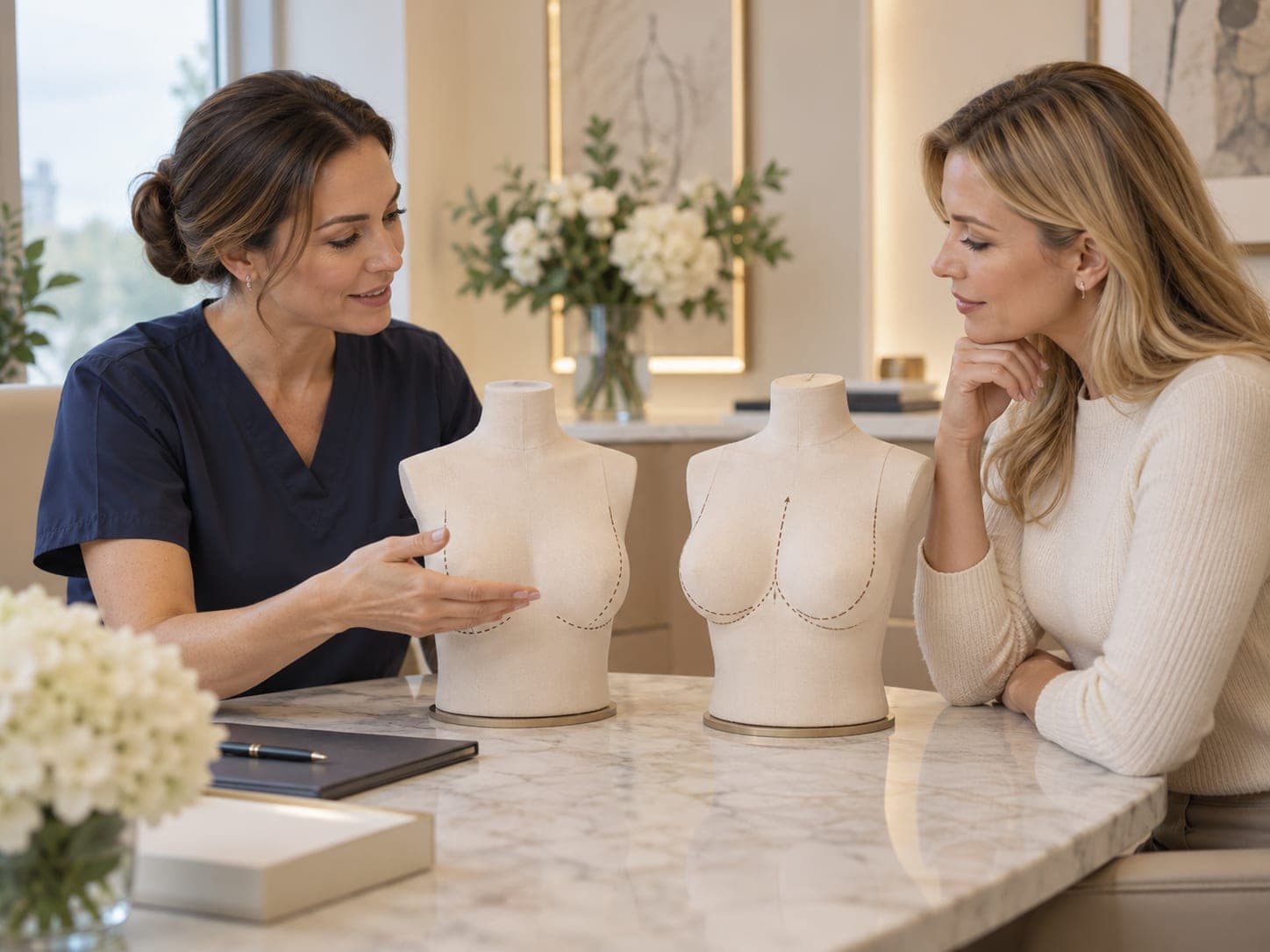
Suitability, and how smooth your recovery is likely to be, depend on your health, breast tissue and goals, assessed in person. A consultation allows your surgeon to examine you and give you a realistic idea of your timeline.
Preparing for your breast lift recovery
A little preparation makes the early days of recovery easier. Before surgery, it helps to arrange time off work, organise support at home for the first few days, and have loose, front-fastening clothing ready so you do not need to raise your arms. Stocking up on essentials and preparing meals in advance means less lifting and reaching while you heal.
Your team will usually advise you on the support bra to buy, any medicines to pause, and stopping smoking well before surgery to aid healing. Setting up a comfortable resting spot with pillows to prop yourself up can help you sleep on your back, which is generally recommended early on. Planning gentle activities to keep you occupied while you rest, and knowing who to contact with questions, also takes some of the stress out of the first weeks and lets you focus on healing.
Supporting a smooth breast lift recovery
A comfortable breast lift recovery comes from realistic expectations, good preparation and following your surgeon’s aftercare advice. While everyday life often resumes within a couple of weeks, the breasts keep settling and scars keep improving for months. To understand your own likely recovery, a personal assessment is the best next step, and you are welcome to arrange a consultation.
Frequently asked questions
How long does breast lift recovery take?
Everyday activities often resume within one to two weeks, while swelling, shape and scars continue to improve over several months. Recovery varies between individuals.
When can I exercise after a breast lift?
Gentle walking is encouraged early, with more demanding and upper-body exercise usually reintroduced from around six weeks, subject to your surgeon’s approval.
Will a breast lift be painful?
Some soreness, swelling and tightness are normal in the early days and are usually well managed with recommended pain relief, easing over the following weeks.
How long do I need to wear a support bra?
This varies, but a supportive bra is typically recommended for several weeks. Your surgeon will advise on the type and duration for you.
When will I see the final result?
The breasts settle over several months as swelling resolves and scars mature, so the final shape usually becomes clear after a few months.
This article is for general information only and does not replace personalised medical advice. Recovery varies between individuals, results cannot be guaranteed, and all surgery carries risks. Suitability can only be determined through an individual consultation with a qualified surgeon.