Everything You Need to Know About Scars
Consultant-led scar guidance
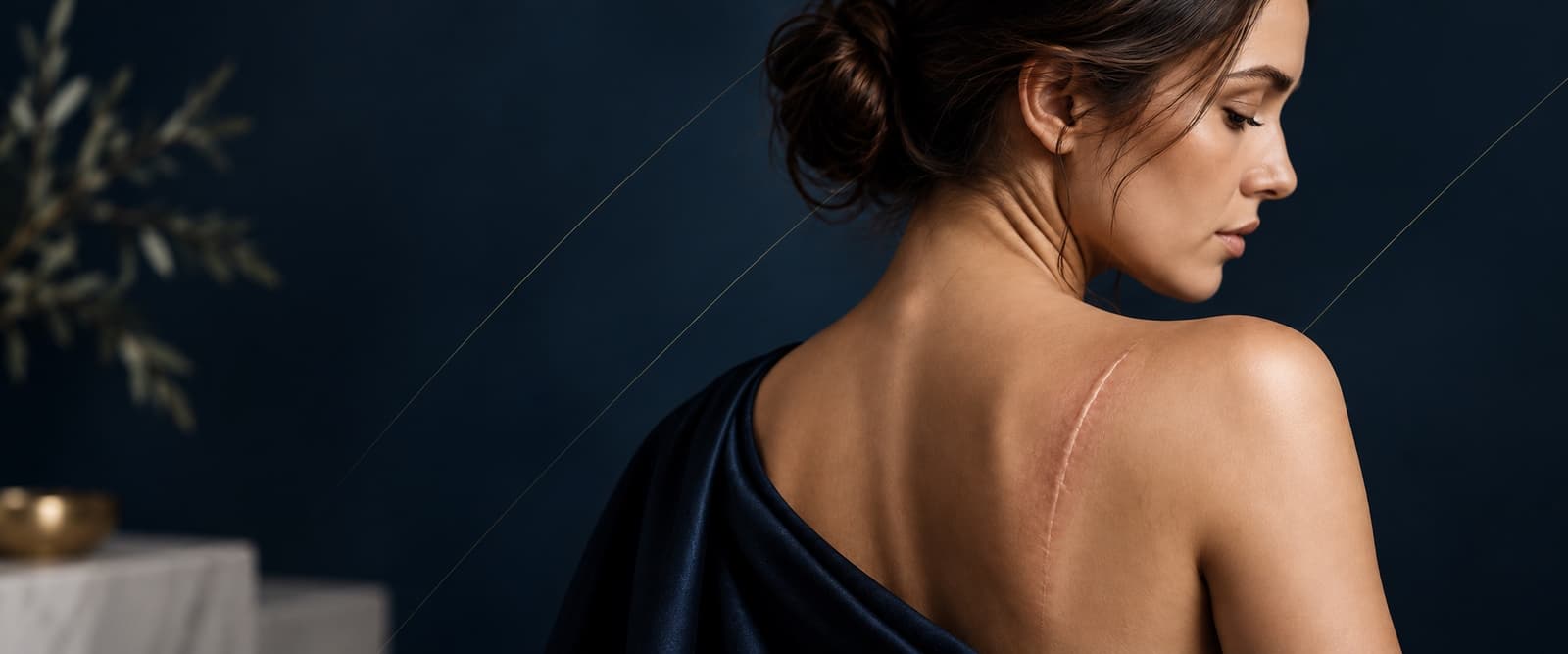
Understand how scars heal, how to care for them after surgery, what changes are normal, and what treatment options are available if a scar is causing concern.
What would you like help with?

Understand My Scar
Learn how scars form, how they change over time, and the different types of scars.
Learn more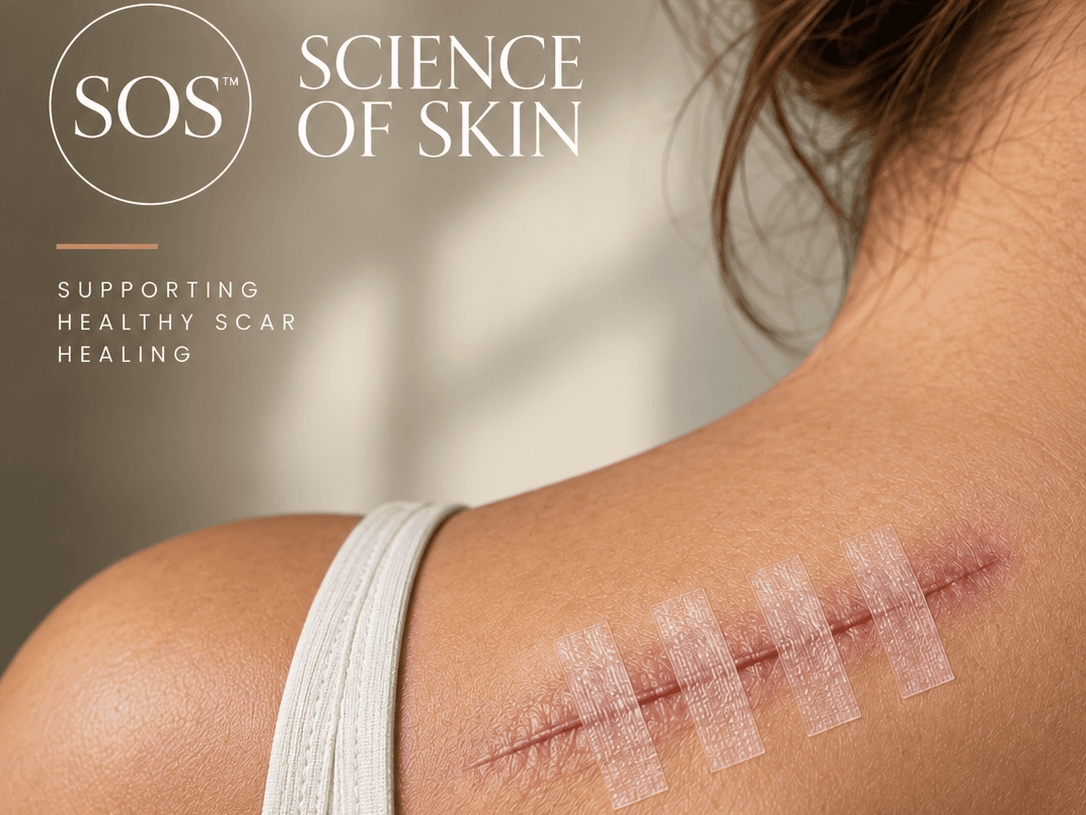
Look After a New Scar
Guidance on caring for a scar after surgery - silicone, massage, sun protection and healing.
Learn more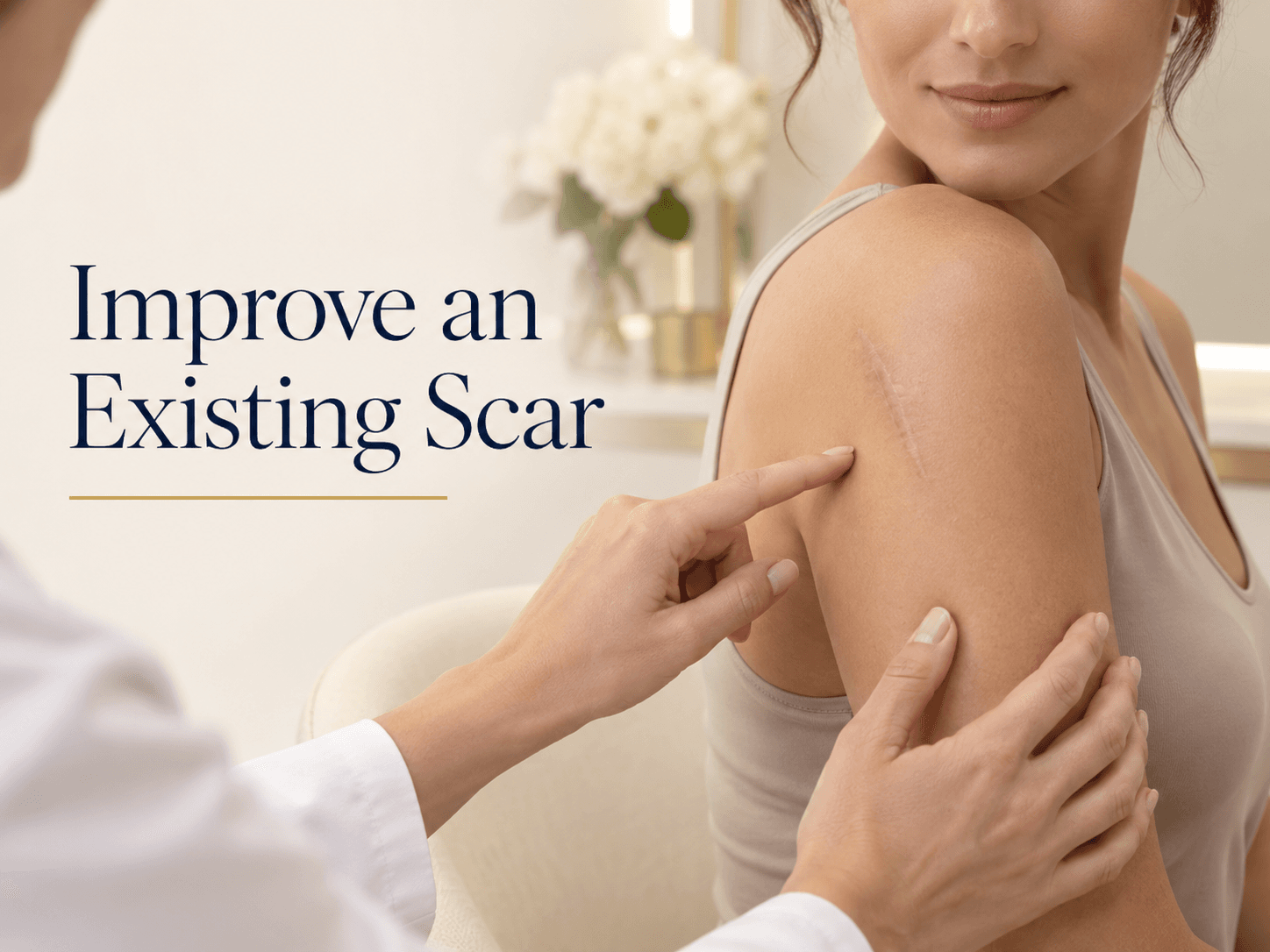
Improve an Existing Scar
Understand the options available when a scar remains raised, red, wide, indented or problematic.
Learn more
How scars heal
A scar’s appearance continues to change for many months. It is normal for a new scar to look red, raised or firm at first, and to gradually soften and fade over time. Most scars take up to two years to reach their final appearance, so the way a scar looks in the early weeks is not how it will look once it has fully matured.

Surgery
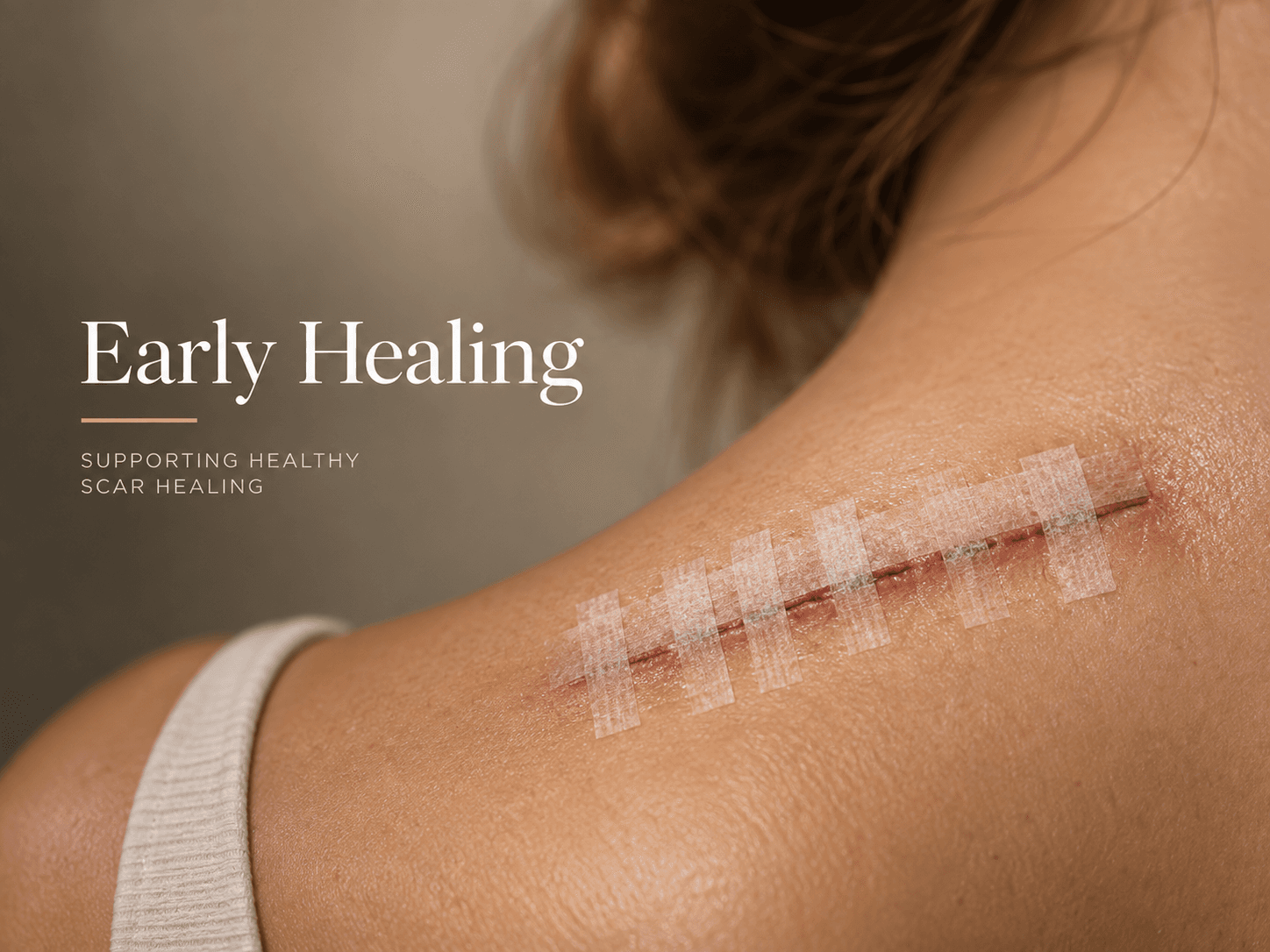
Early Healing
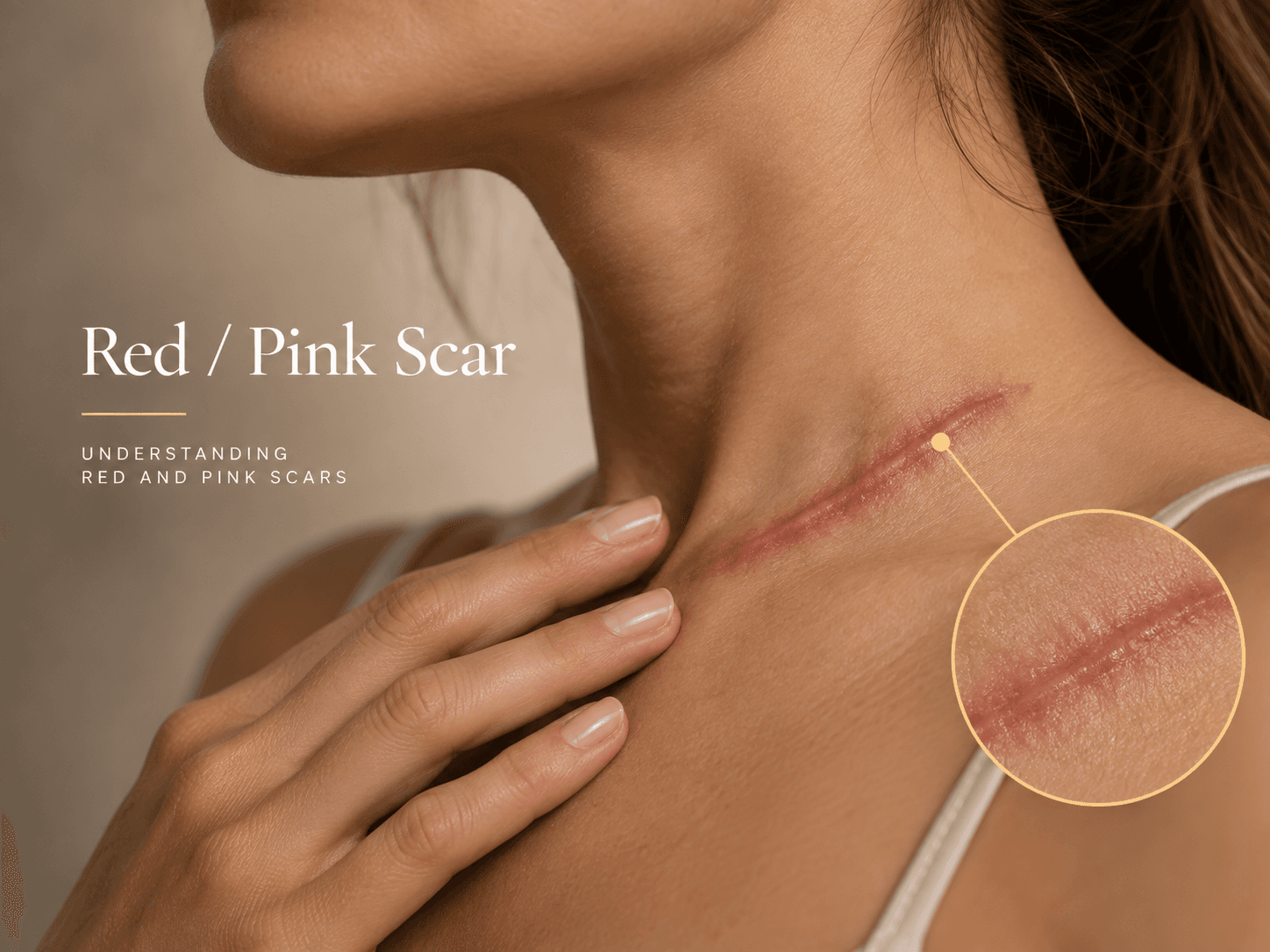
Red / Pink Scar
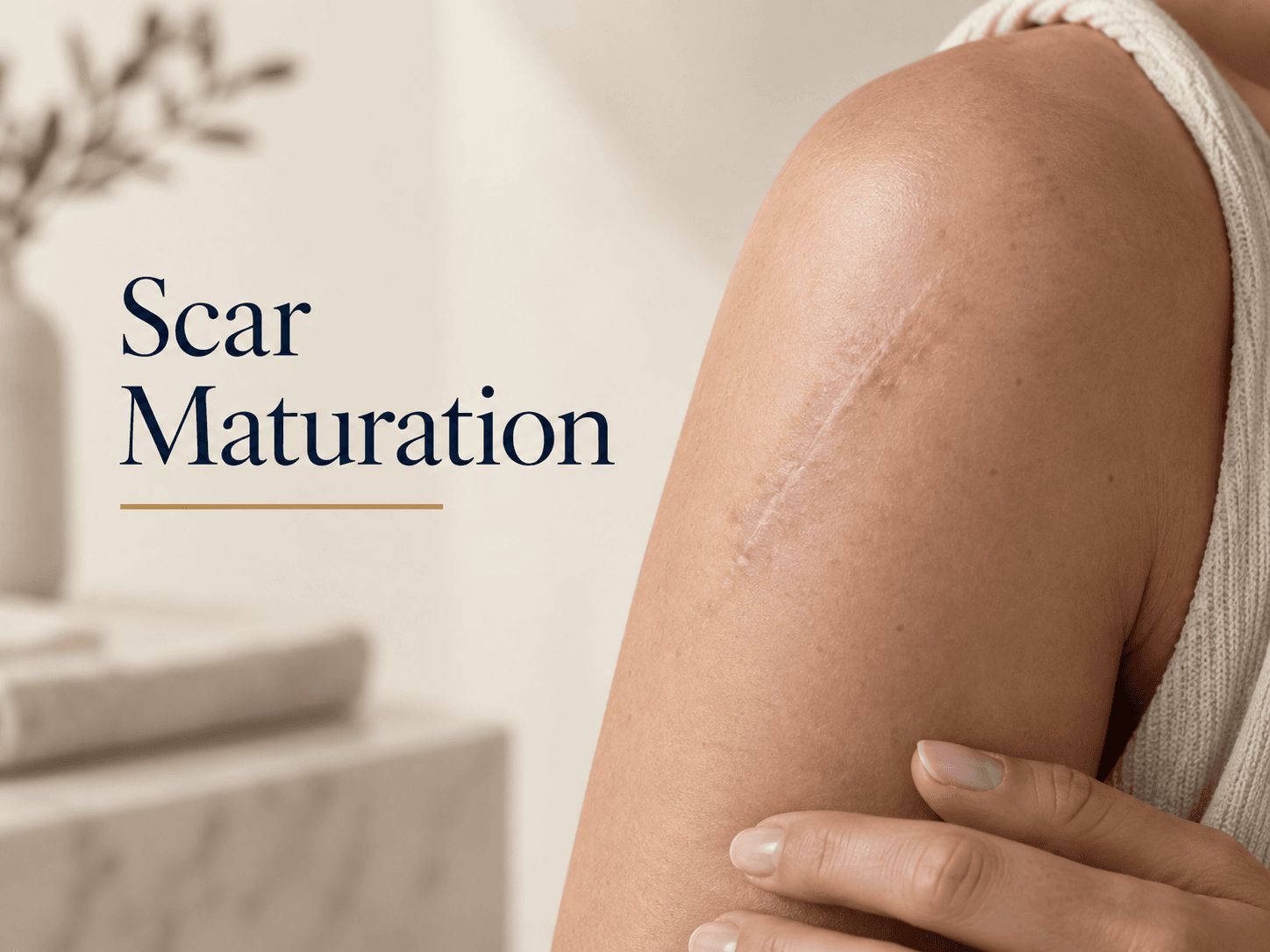
Scar Maturation

Final Scar
Explore by concern
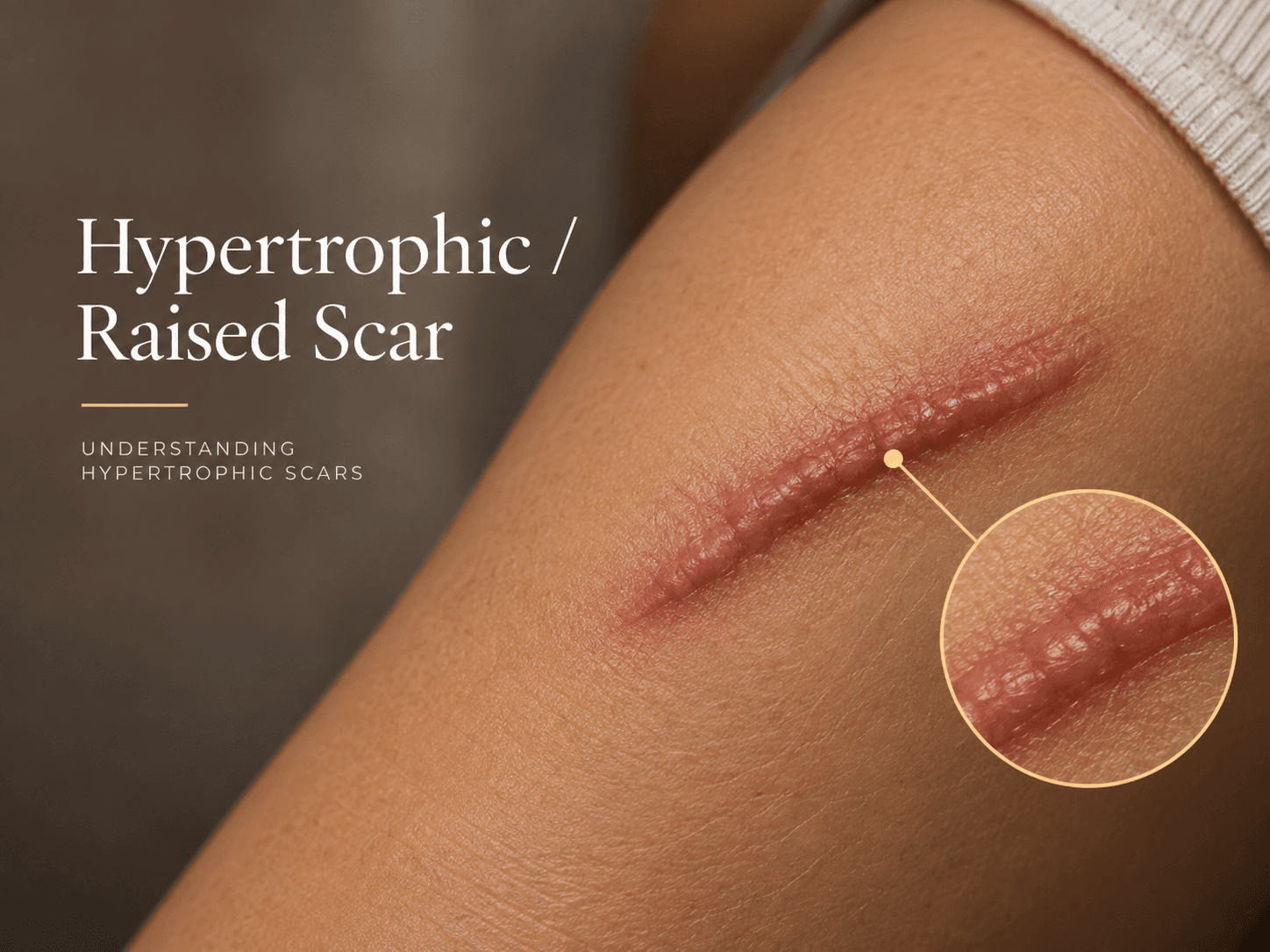
Raised Scar
Learn moreRed or Dark Scar
Learn more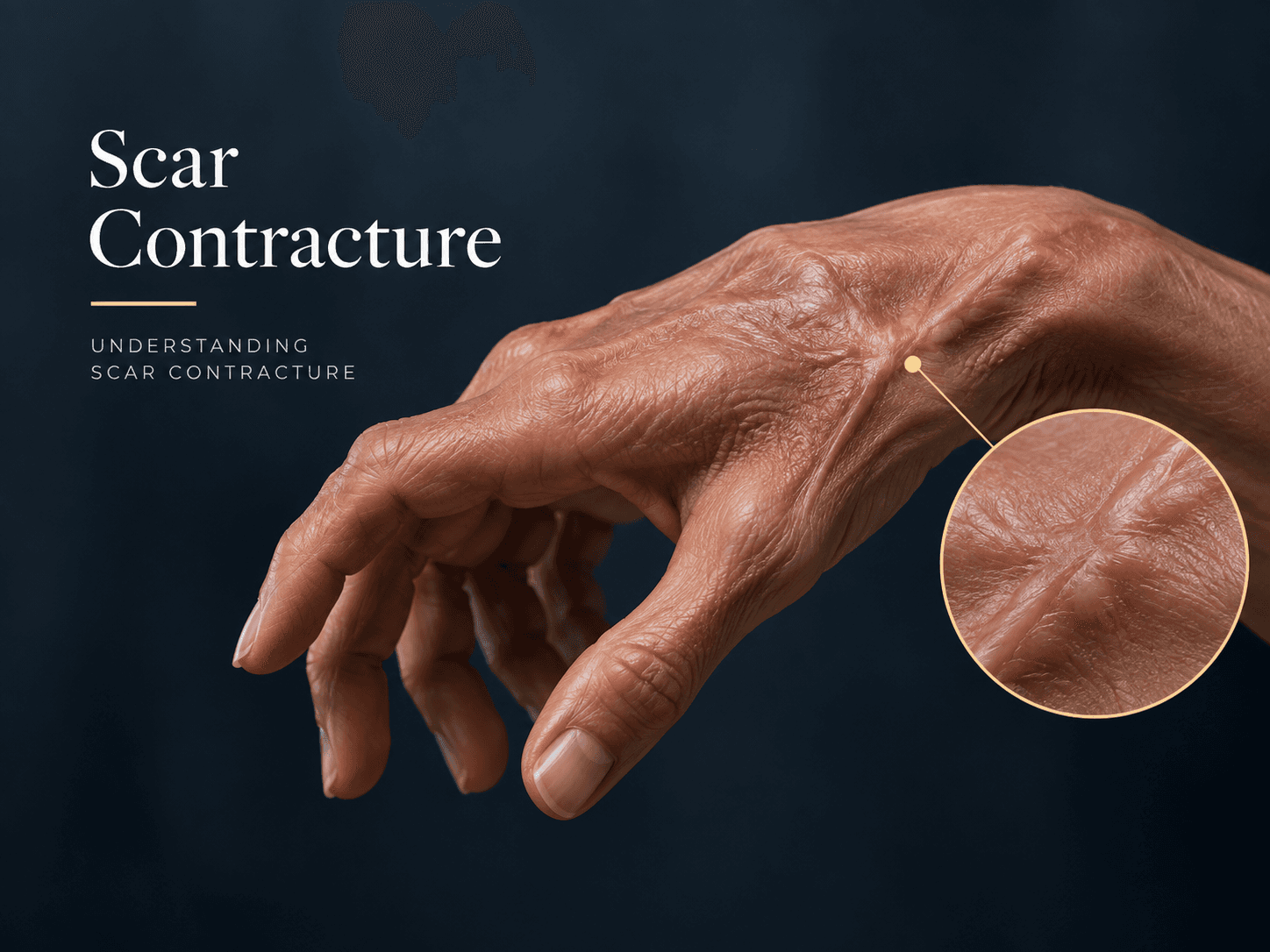
Wide or Stretched Scar
Learn more
Indented Scar
Learn more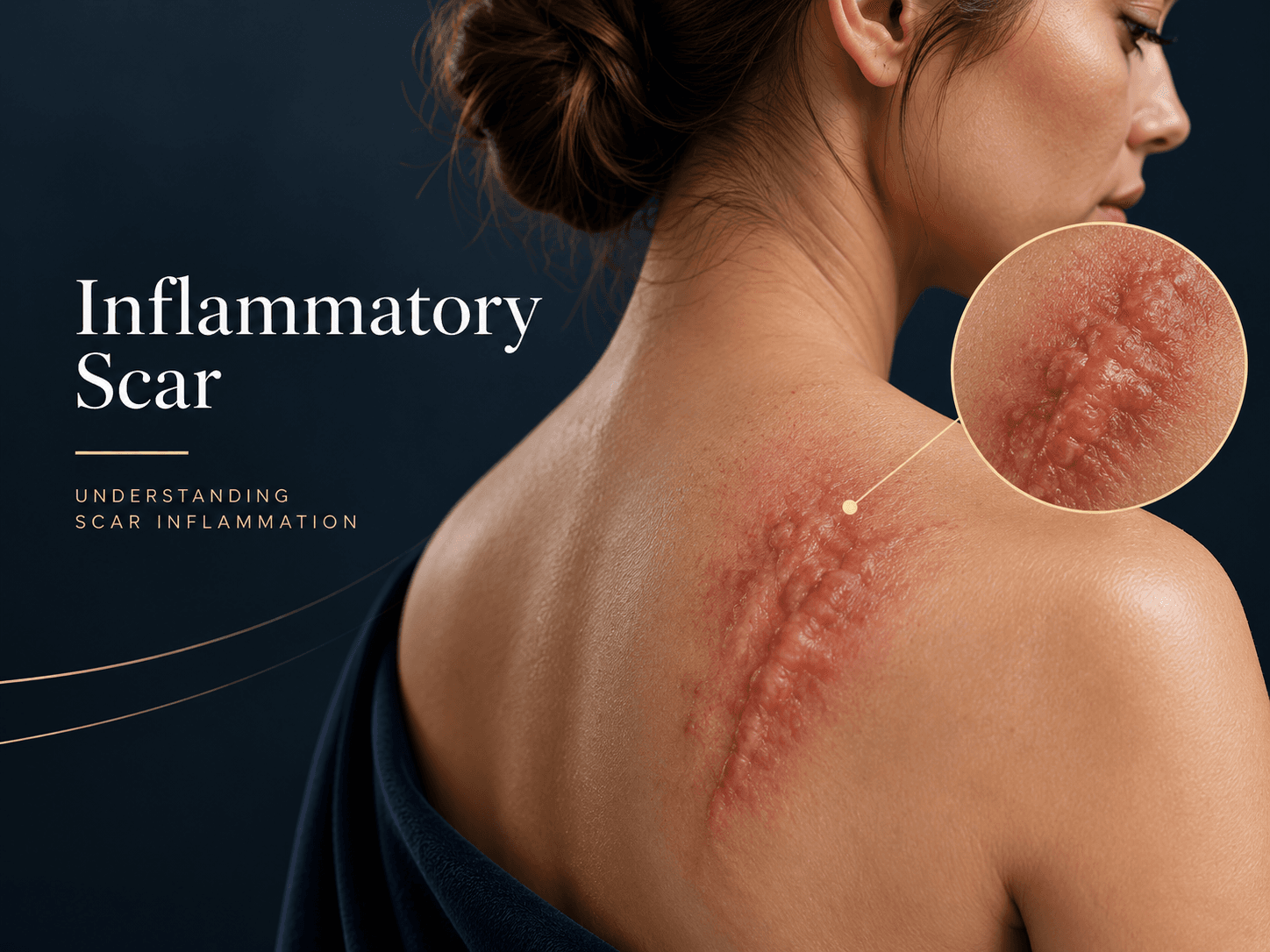
Painful or Itchy Scar
Learn more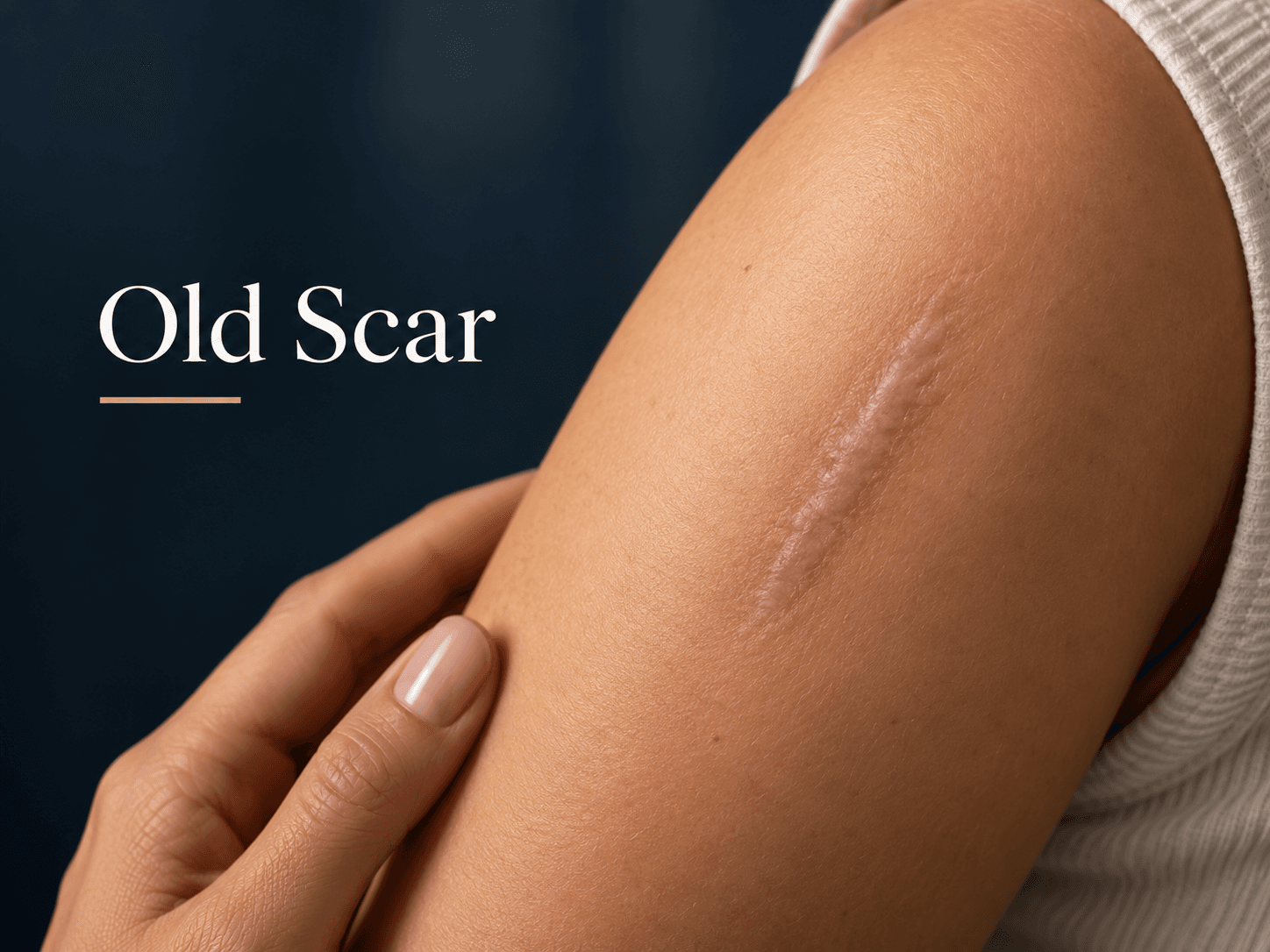
Old Scar
Learn more
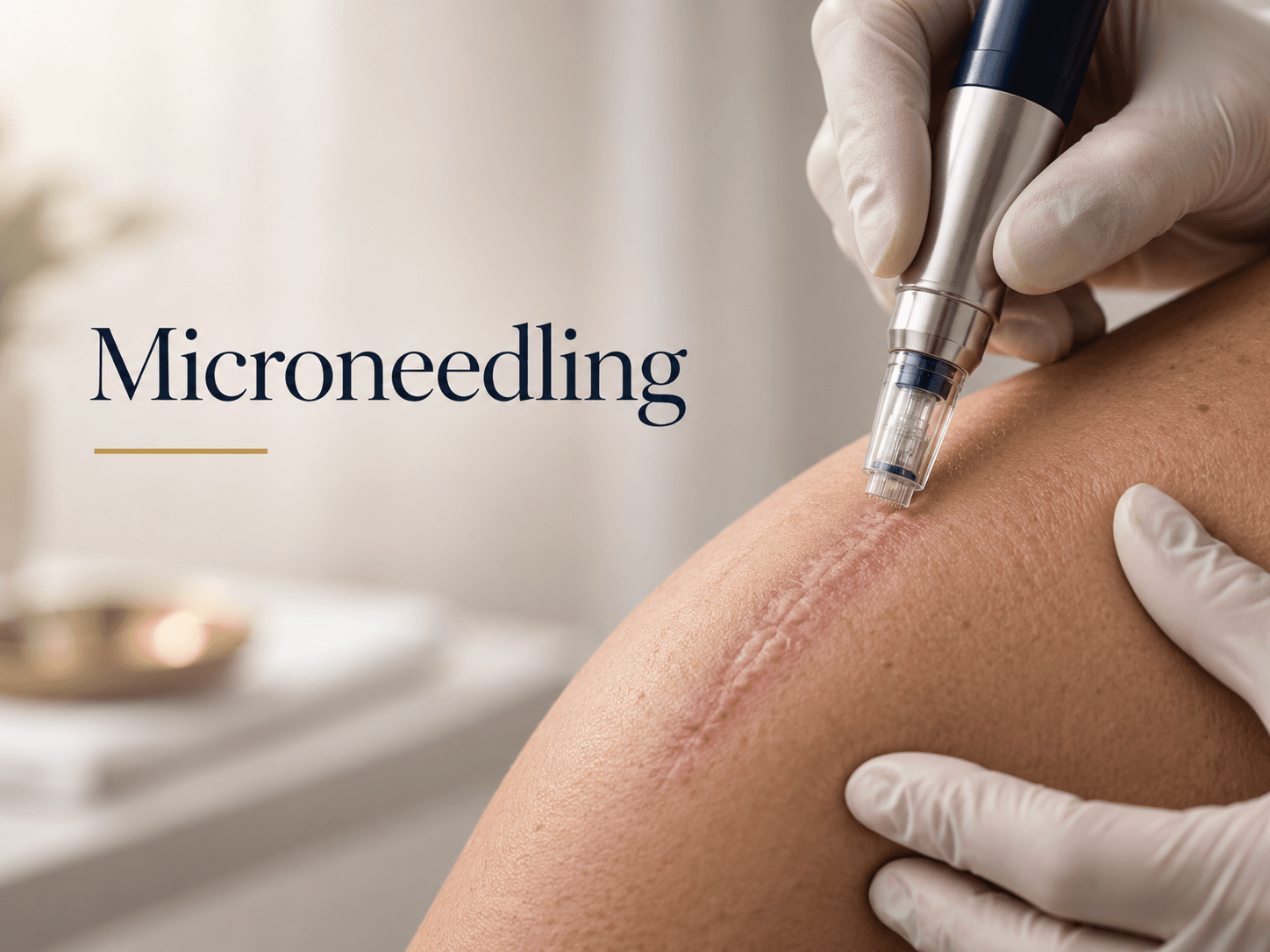
Scar treatment options
The right approach depends on the type of scar, and not every treatment suits every scar. Your surgeon can advise on what may be appropriate for you.
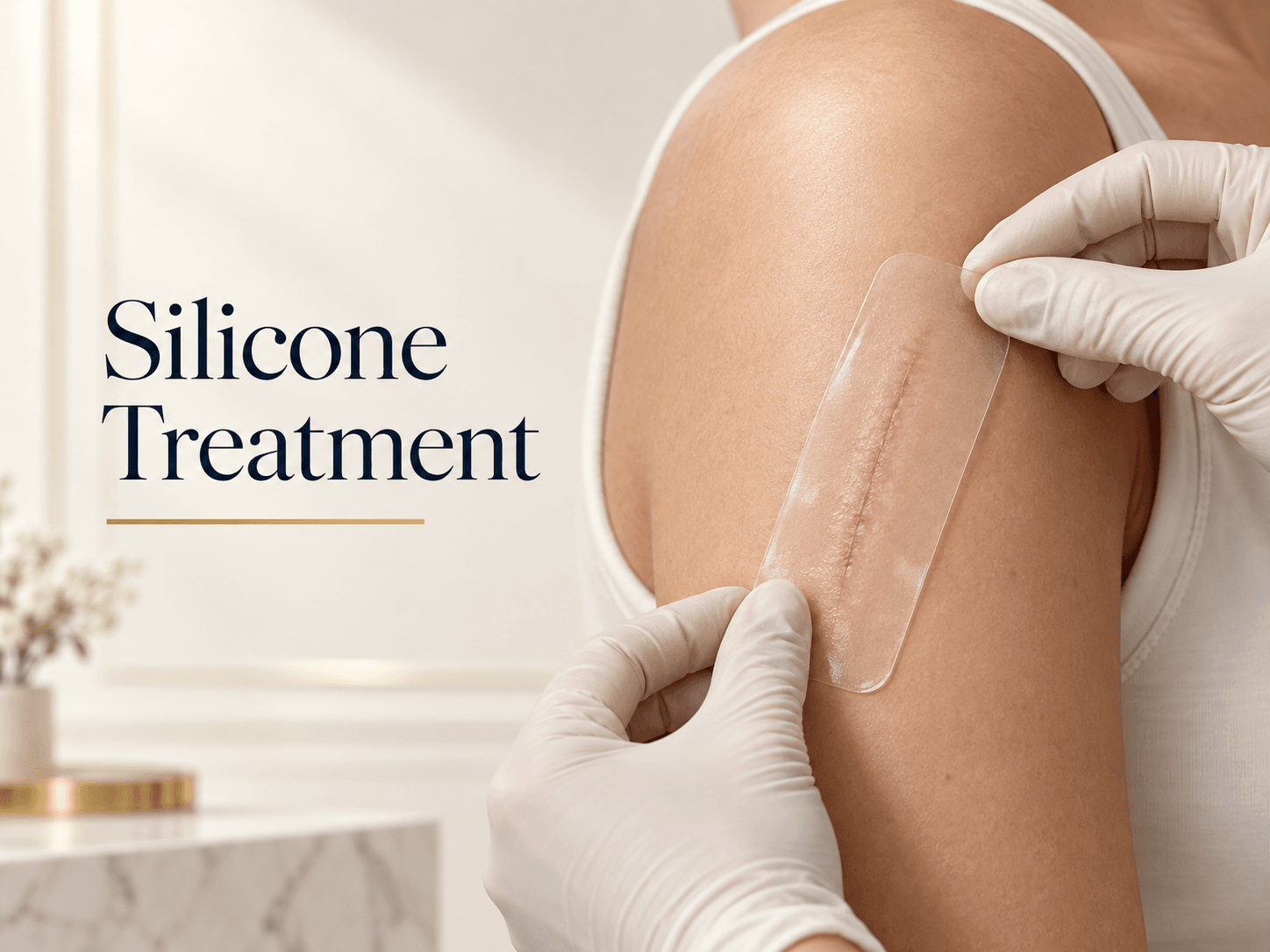
Silicone Treatment
Silicone gels and sheets are commonly used while a scar is maturing and may help a red or raised scar settle.
View options
Steroid Injections
Used in selected raised or thickened scars to help soften and flatten them and ease itching or discomfort.
View options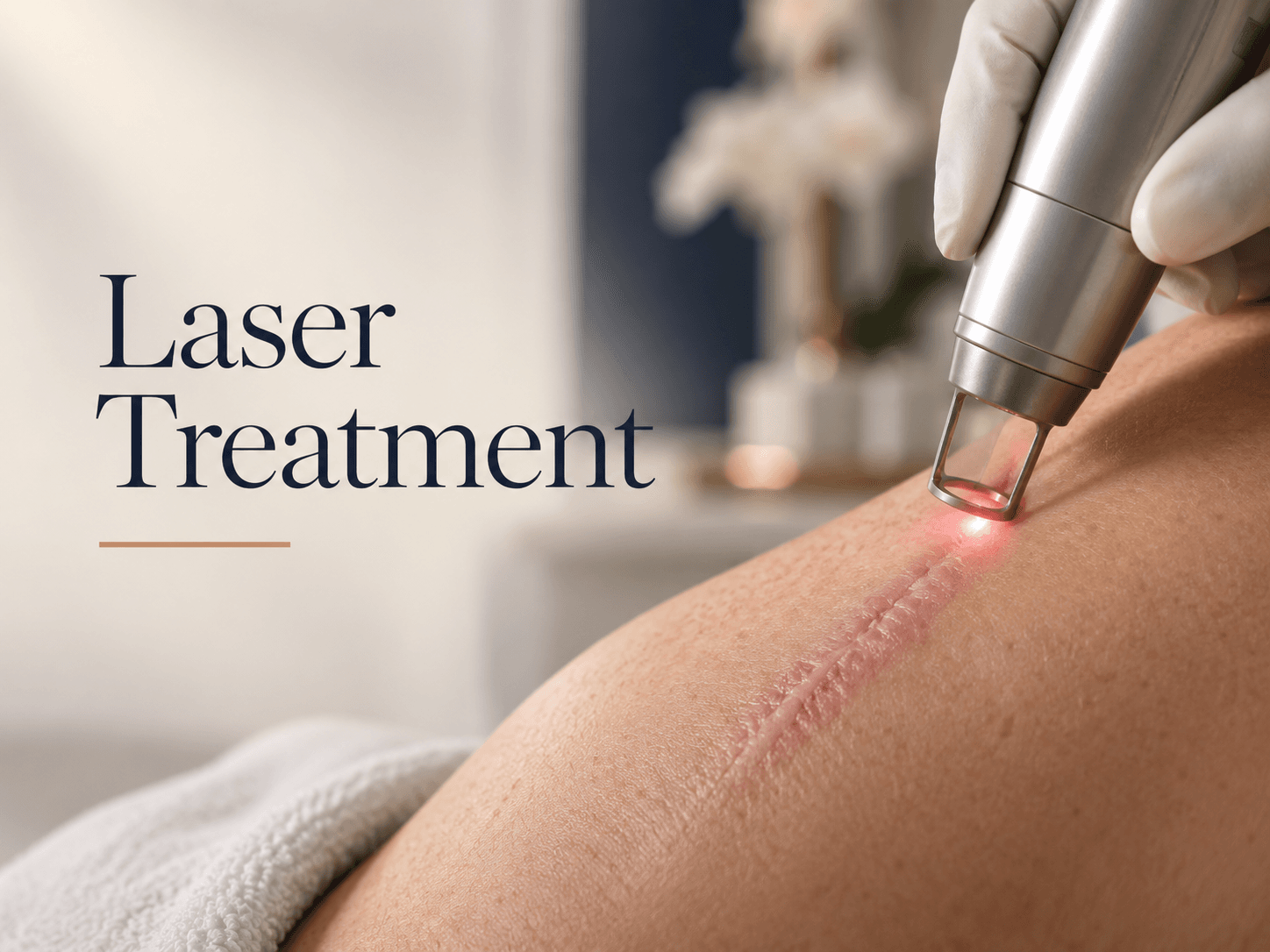
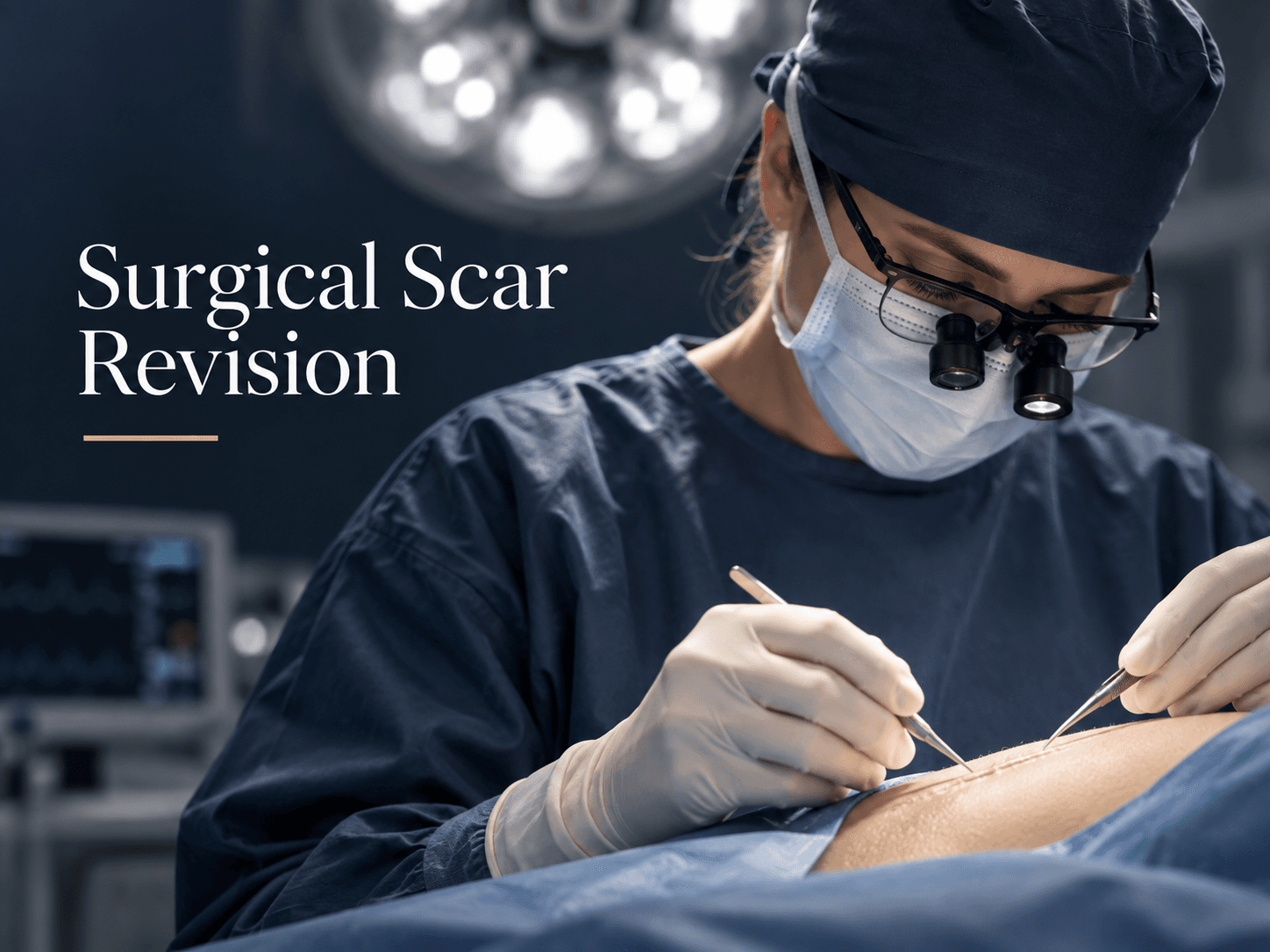
Surgical Scar Revision
Surgery intended to improve the position, width or appearance of an existing scar.
Learn more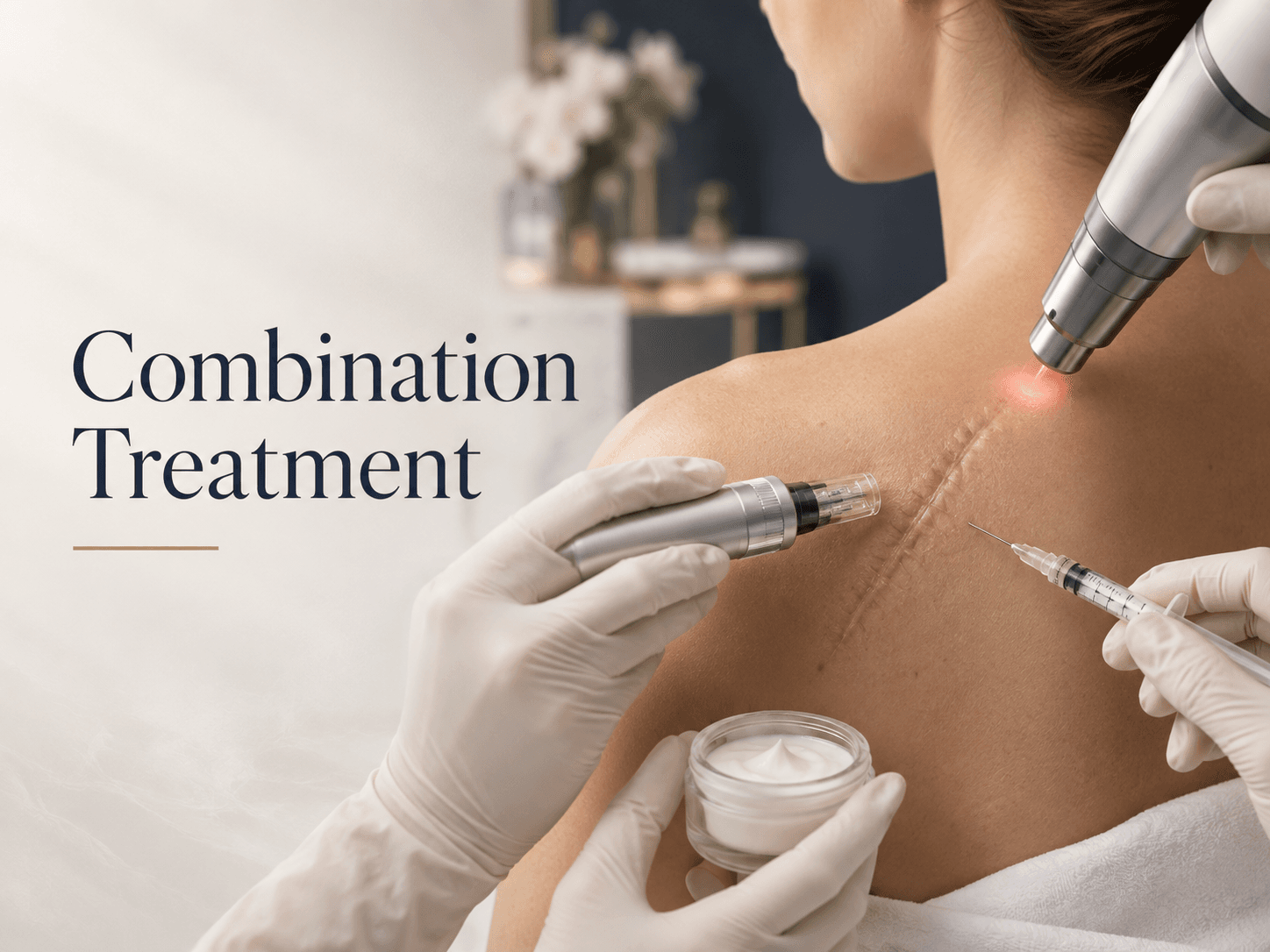
Scars after cosmetic surgery

Breast Augmentation Scars
Learn more
Breast Reduction Scars
Learn more
Breast Lift Scars
Learn more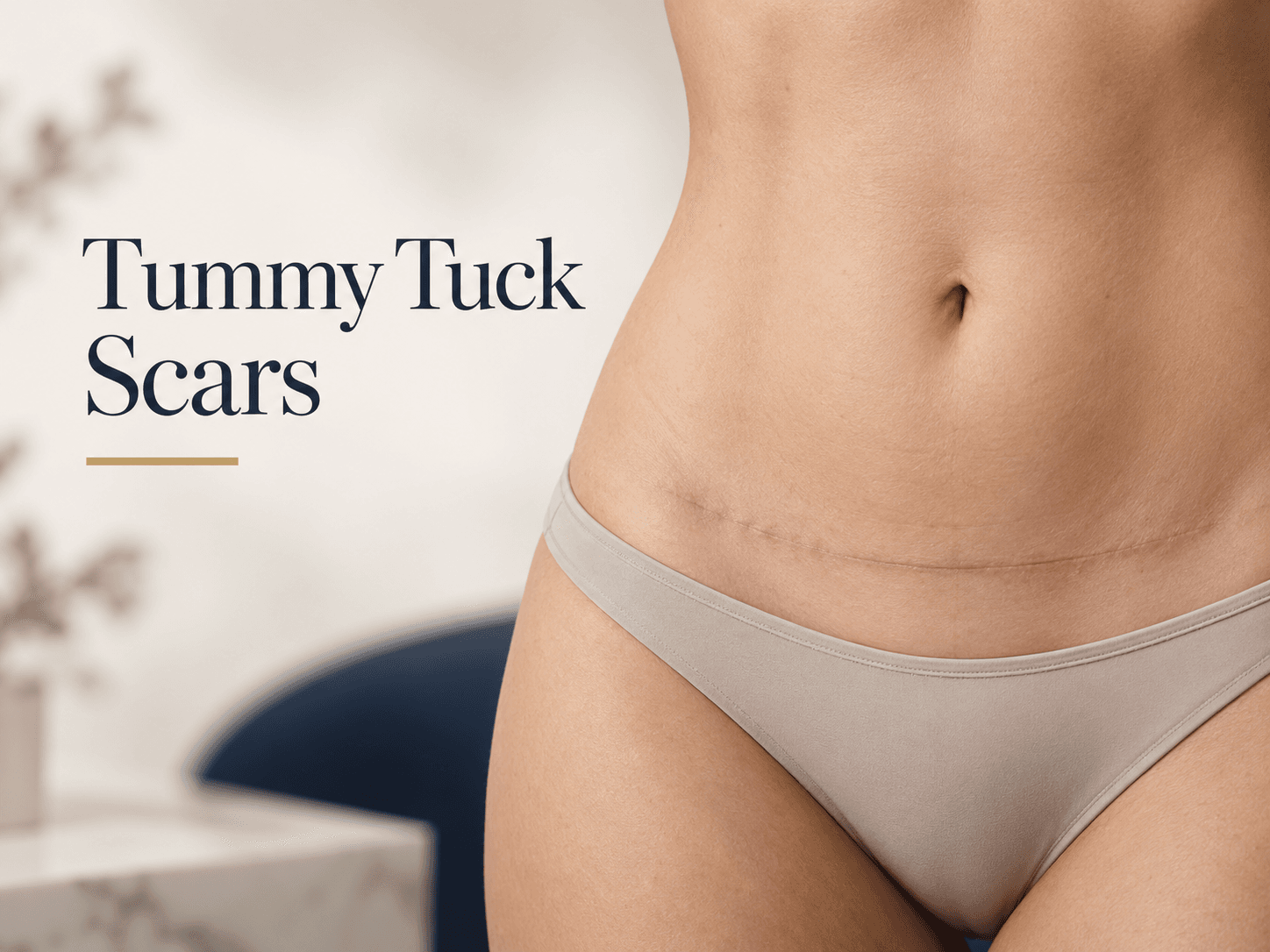
Tummy Tuck Scars
Learn more
Facelift Scars
Learn more
Eyelid Surgery Scars
Learn more
Liposuction Scars
Learn more
You can also read about the procedures themselves: breast augmentation, breast reduction, breast lift, tummy tuck, facelift, eyelid surgery and liposuction.
When should you speak to a surgeon?
Most scars settle well with time and simple care. You may wish to seek specialist advice if a scar:
- becomes increasingly painful
- becomes raised or thickened
- widens significantly
- remains very red or dark
- restricts movement
- changes unexpectedly
- remains a concern after the normal healing period
These changes do not necessarily mean anything is wrong, but a consultant plastic surgeon can assess the scar and talk you through whether any treatment may help.
This information is for general guidance only and is not a substitute for advice from a qualified clinician. Reviewed against NHS guidance.