If large breasts are causing discomfort, it helps to understand all the options side by side – from lifestyle measures to surgery. This article compares them honestly, so you can weigh them up and discuss the right path with a qualified clinician.
Medically reviewed by Mr Douglas McGeorge FRCS(Plast) · Consultant Plastic Surgeon · Read full profile
There is no single right answer when it comes to reducing breast size – it depends on your body, your health, how much discomfort you experience, and what you hope to achieve. Being clear about what each approach can realistically offer helps you make a safe, informed choice.
Weighing up your options?
Get a clear, honest comparison of what would suit you.
0808 129 2000
Comparing the main options
A simplified overview. Every individual is different, so use this as a starting point for a conversation with a clinician.
| Lifestyle measures | Breast reduction surgery | |
|---|---|---|
| Typical effect on size | Modest and variable | Significant and lasting |
| Helps with discomfort | Sometimes | Often, where size is the cause |
| Invasiveness | Non-invasive | Surgery with recovery |
| Risks | Low | Surgical risks apply |
Lifestyle measures first
For many women, it makes sense to try gentle measures first:
- A professionally fitted, supportive bra to ease strain.
- General weight management, as breasts contain fatty tissue.
- Posture and strengthening exercises for back and shoulders.
Be cautious of “quick fixes”
Supplements, creams and devices that promise dramatic breast-size reduction are not supported by good evidence, and some may be harmful. Always speak to a qualified clinician before trying anything that makes bold medical claims.
The medical option: breast reduction
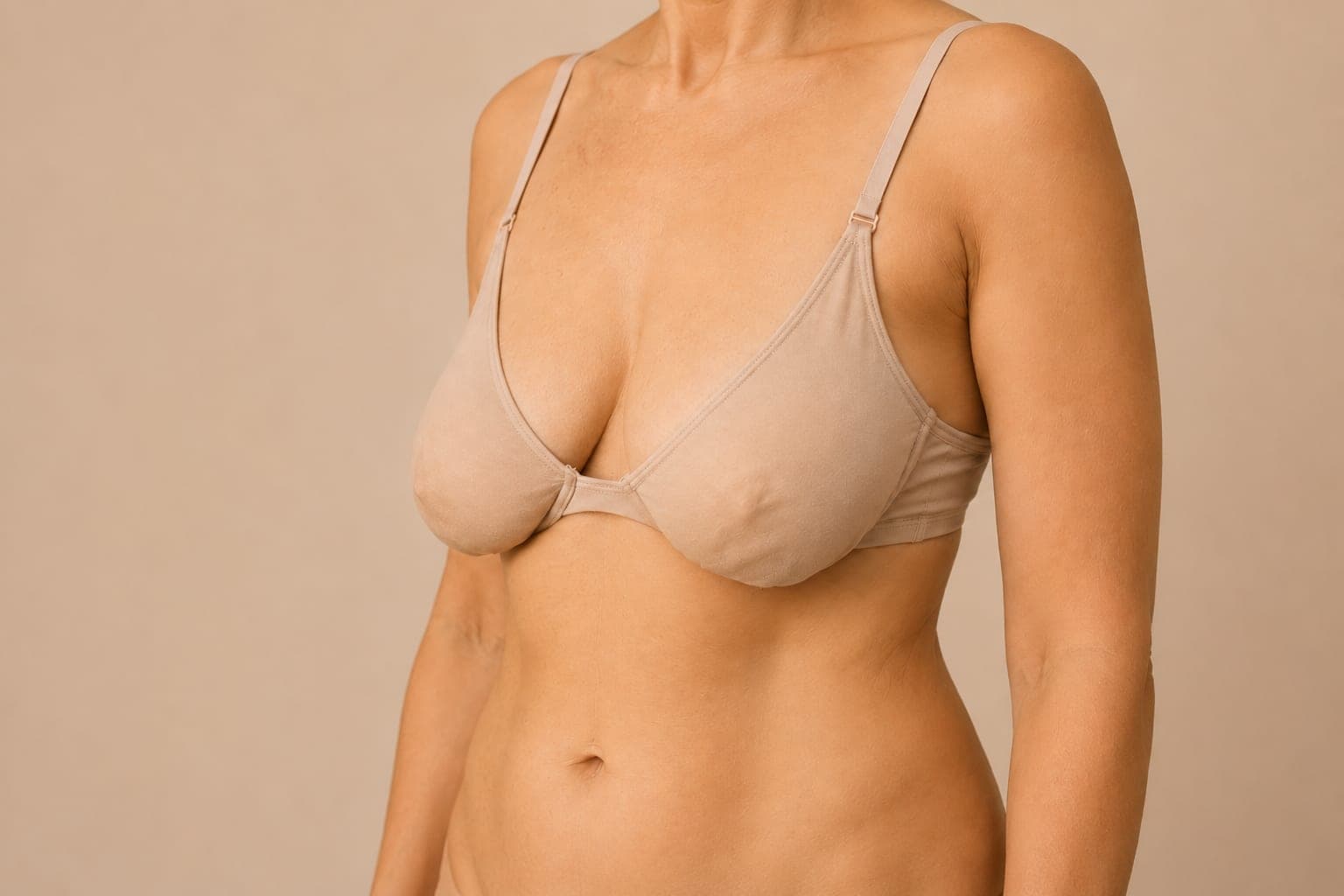
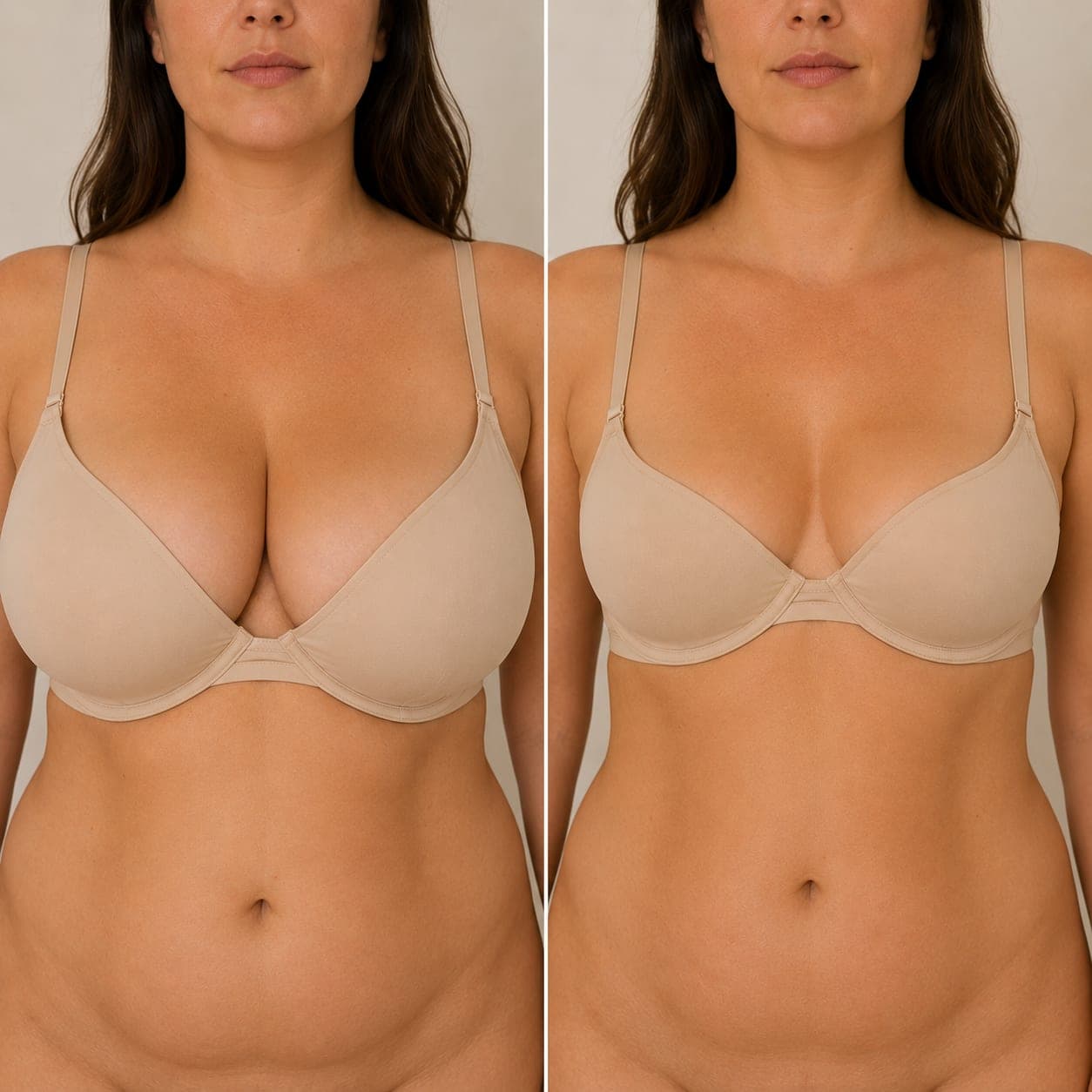
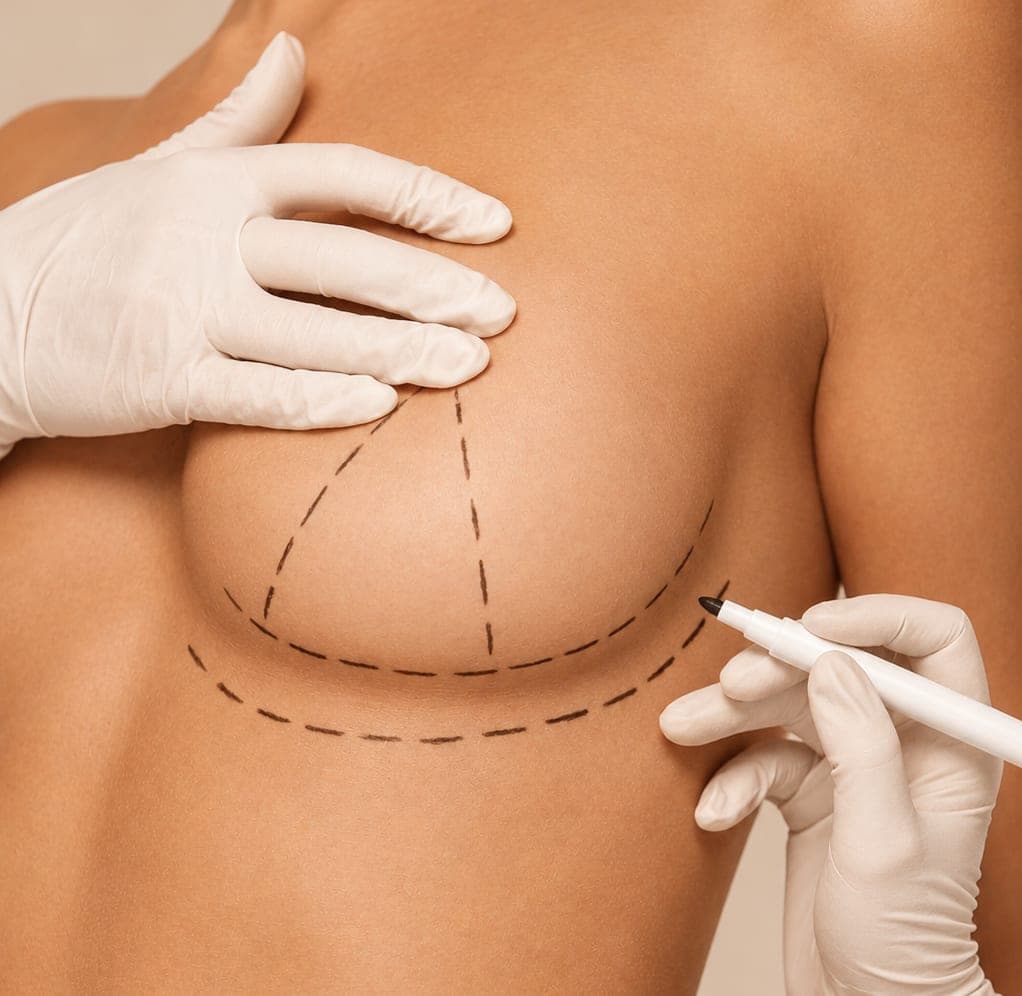
Where large breasts cause persistent physical symptoms, breast reduction surgery can offer significant, lasting relief by removing excess breast tissue. Like all surgery, it carries risks and requires a recovery period – you can read more in our guide to risks and recovery. A consultant surgeon will help you decide whether it is appropriate for you.
Want to weigh up your options?
Book a consultation for a clear, honest discussion of what would suit you best.
Common questions
Balanced answers about reducing breast size.
Weight management and support may help some women modestly, but there is no proven non-surgical method to significantly reduce breast size. Be cautious of products claiming otherwise, and speak to a qualified clinician.
Breast reduction can make a significant, lasting difference to size and comfort. Your surgeon will discuss realistic outcomes and the risks involved.
The best way is an honest conversation with a consultant surgeon, who can assess your situation and explain the pros and cons of each approach.
More to read
Continue exploring these related articles.


Helpful resources
Find the right approach for you
Book a consultation for an honest comparison of your options with a consultant surgeon.
0808 129 2000
- Consultant-Led CareEvery procedure is carried out by a fully accredited consultant plastic surgeon.
- CQC-Registered FacilitiesWe operate only in fully regulated, CQC-registered hospitals.
- Honest, Unhurried AdviceNo pressure and no hard sell - just clear, cautious guidance so you can decide in your own time.
- Aftercare You Can Rely OnDirect access to your surgical team throughout your recovery.