Professional Memberships & Recognised By




What is Breast Reduction?
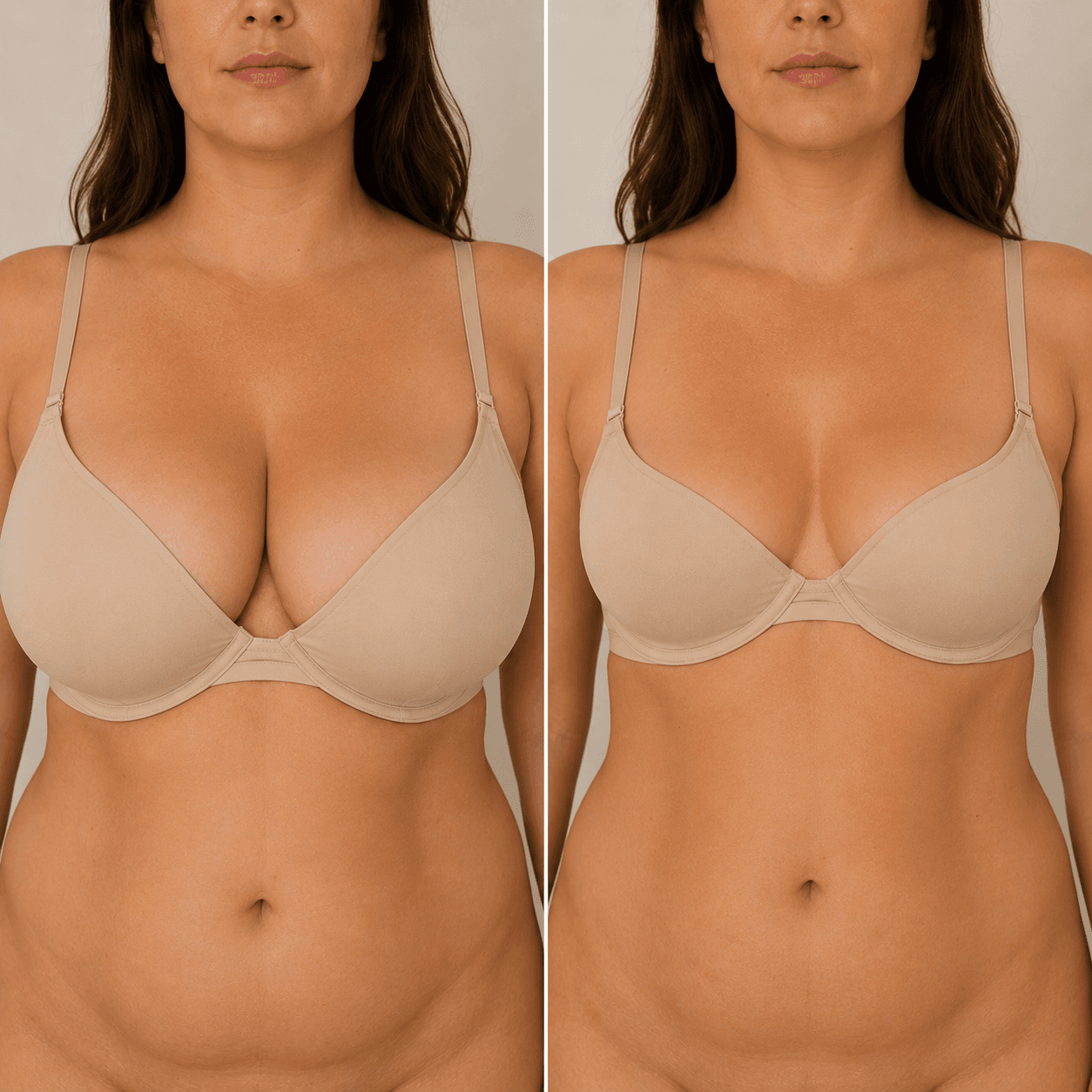
Breast reduction (reduction mammoplasty) removes excess breast tissue, fat and skin, and reshapes the breast to a size more in proportion with the body. Some people consider it because large breasts can be associated with back, neck or shoulder discomfort, skin irritation or difficulty exercising.
Whether surgery is appropriate, and what result is realistic, is something only a consultant surgeon can assess with you.
Possible Benefits
More Proportionate Size
Aims to bring breast size into better balance with the body.
Physical Comfort
Some people find everyday discomfort eases, though results vary.
Easier Activity
Certain activities may feel more comfortable for some patients.
Reshaped Breast
The breast is reshaped as part of the procedure.
Who Might Consider Breast Reduction?
Breast reduction may be considered by people whose breast size causes physical symptoms or affects daily life, who are in good general health and who understand that surgery involves permanent scarring. It is a significant operation and is not right for everyone.
A qualified clinician will assess your suitability and discuss the likely outcome.

CONSULTANT LED CARE
Consultant Led, Individualised Care
Breast reduction requires careful planning to balance size, shape and scar position. Your consultant plastic surgeon will discuss the technique, the expected scarring and realistic outcomes, and answer your questions candidly.
- GMC Specialist Register for Plastic Surgery
- Members of BAAPS and BAPRAS
- Considered, individualised advice
- Attentive aftercare and follow-up
All care is provided by consultant plastic surgeons on the GMC Specialist Register, operating in CQC-registered facilities.
What the Journey May Involve
Every patient is different; the steps below give a general sense of what care can involve. Your surgeon will explain what is right for you.
Consultation
A thorough discussion of your symptoms and goals, with an examination to assess whether reduction may help.
Planning
We take time to understand your goals, review your medical history and agree an approach tailored to you.
Procedure
Breast reduction is performed under general anaesthetic; the technique and length depend on your individual case.
Recovery
You are supported closely afterwards, with clear guidance and direct access to your surgical team.
Follow-up
Follow-up appointments allow us to review your progress and answer any questions as you heal.
Recovery & Aftercare
Recovery differs from person to person. Soreness, swelling and bruising are common in the first weeks and generally settle over time. A support garment and clear aftercare advice are provided. Please contact a qualified clinician if you have concerns while healing.
Initial downtime
Around 2 weeks
Return to desk work
Often 2 to 3 weeks
Exercise
Typically 6 weeks
Scars settling
Many months
Risks & Safety
Breast reduction can be associated with risks including bleeding, infection, altered nipple sensation, changes to the ability to breastfeed, asymmetry and scarring. Your surgeon will discuss all of these with you before you decide.
- All surgery carries some risk; your surgeon will explain these in full so you can give informed consent
- Care is provided by surgeons on the GMC Specialist Register for Plastic Surgery
- Procedures take place in CQC-registered facilities with clear safety protocols
- If you have any concerns, speak to a qualified clinician before proceeding
People Also asked
Can breast reduction help with back or neck discomfort?
Some people find their symptoms improve, but this varies and cannot be guaranteed. Your surgeon will discuss what surgery may realistically achieve for you.
Will I have visible scars?
Yes, breast reduction leaves permanent scars whose pattern depends on the technique. They usually fade over time but remain to some degree.
How long before I recover?
Recovery varies. Many people take around two to three weeks off work, but you should follow your surgeon’s personal advice.
Will breast reduction affect breastfeeding?
It can affect the ability to breastfeed. If this matters to you, raise it with a qualified clinician before proceeding.