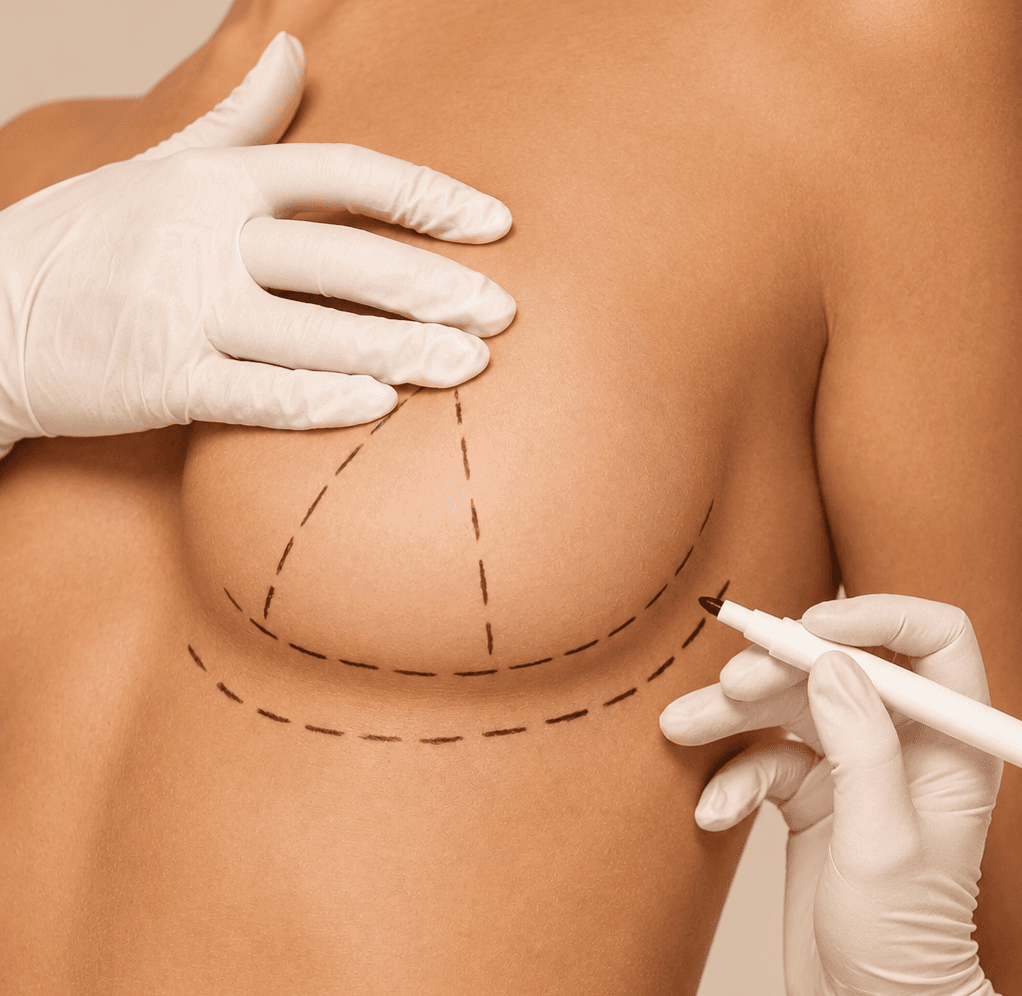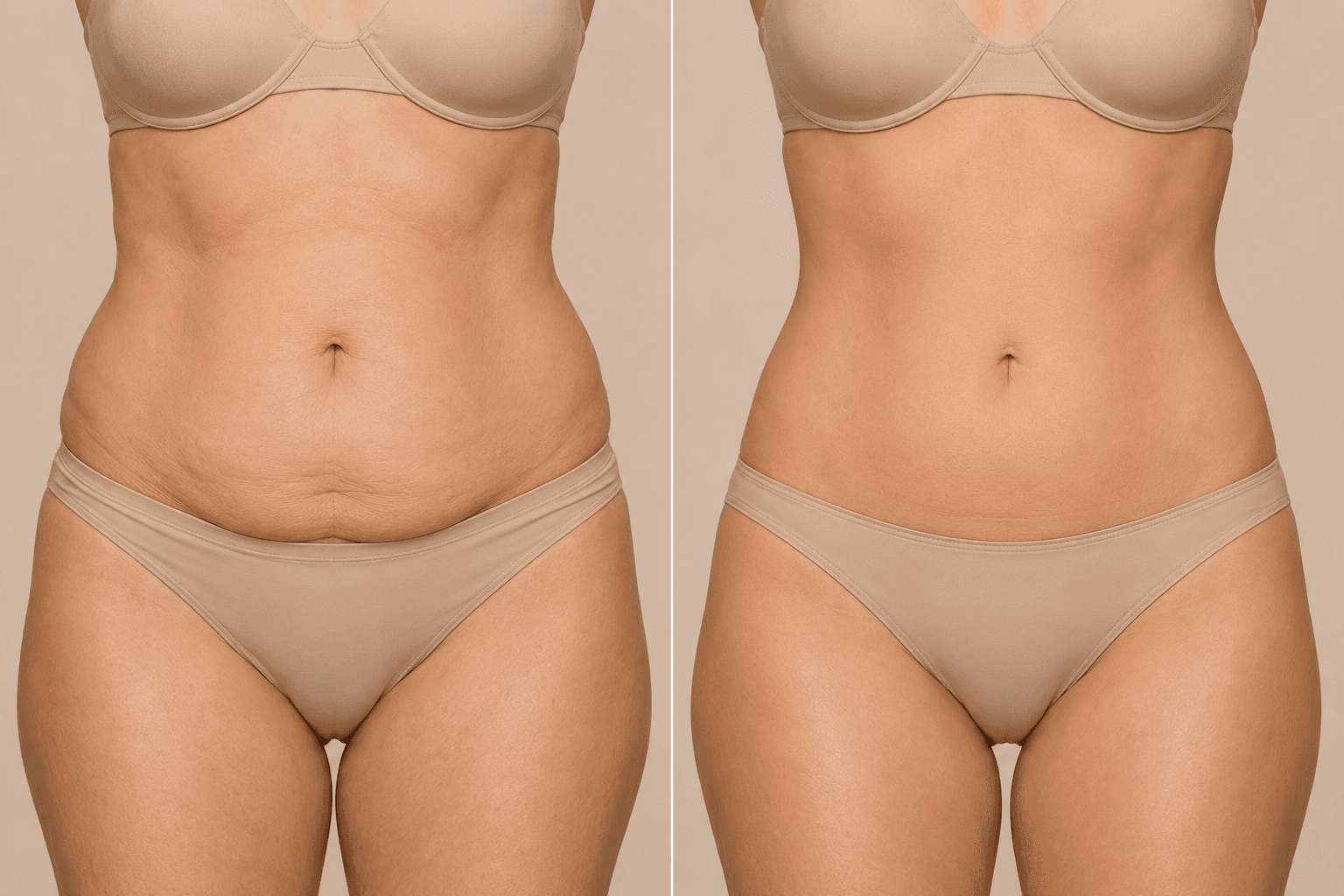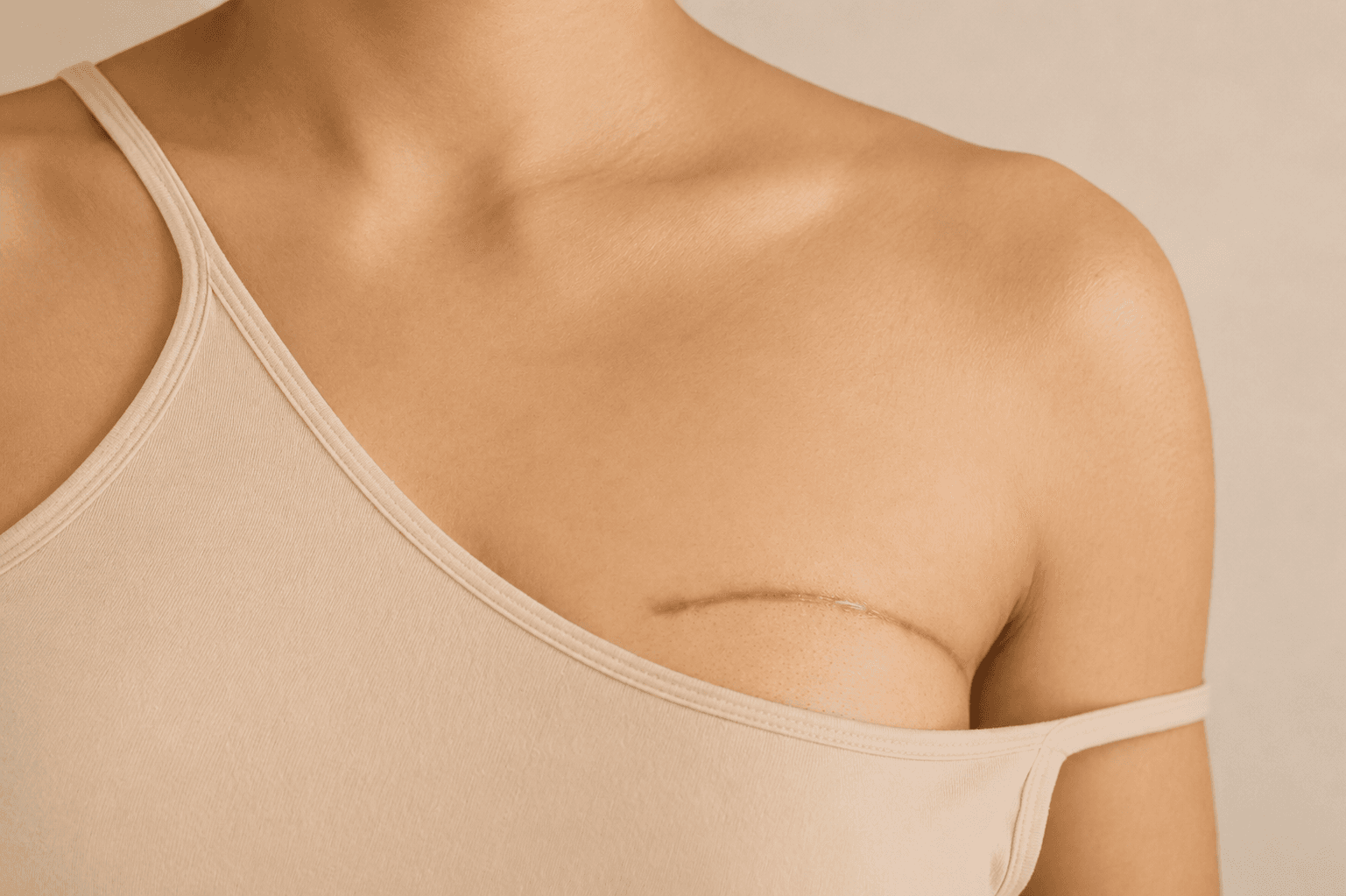
Whenever the skin is cut, it heals by forming a scar. Surgeons take great care to place incisions discreetly and close them neatly, but some scarring is an unavoidable part of any operation. The good news is that most scars fade considerably over the first year or two, and there are things you can do to help.
Treatment options that may help
If a scar remains raised, red or noticeable, several options may help, depending on the scar and your skin. These can include silicone gels or sheets, targeted massage, and, in some cases, treatments a clinician can provide. What is right varies from person to person, so it is best to be guided by a qualified clinician rather than trying strong remedies at home.
Scar care FAQs
The questions patients ask most about scarring.
How long do surgical scars take to fade?
Most scars fade significantly over the first year, and can continue to improve for up to two years. Everyone heals differently, so patience is important.
Do silicone gels and sheets work?
Silicone products are among the better-supported at-home options for many scars, but timing and suitability vary. Ask your surgeon whether and when they would recommend them for you.
Can scars be removed completely?
No treatment can erase a scar entirely, but many can be made much less noticeable. A clinician can advise on realistic options for your particular scar.