
On this page
Many people can breastfeed after breast surgery, but it cannot be guaranteed, and the likelihood depends on the type of operation and the technique used. Breast augmentation often has less impact on breastfeeding than reduction, though this is not certain in any individual case. Procedures that involve repositioning the nipple or removing significant breast tissue carry a greater chance of affecting milk supply. If breastfeeding is important to you, it is essential to discuss it before surgery.
This article explains how different breast operations may affect breastfeeding, why technique matters, and what you can do. It is general information; your own situation should be assessed by your surgeon.
At a glance
- Breastfeeding is often possible after breast surgery, but never guaranteed.
- Augmentation usually has less impact than reduction, though outcomes vary.
- Surgery that moves the nipple or removes lots of tissue can affect milk supply.
- Telling your surgeon your plans helps them choose an approach mindful of breastfeeding.
- Support from midwives and lactation specialists can help afterwards.
How different procedures may affect breastfeeding
Breast augmentation
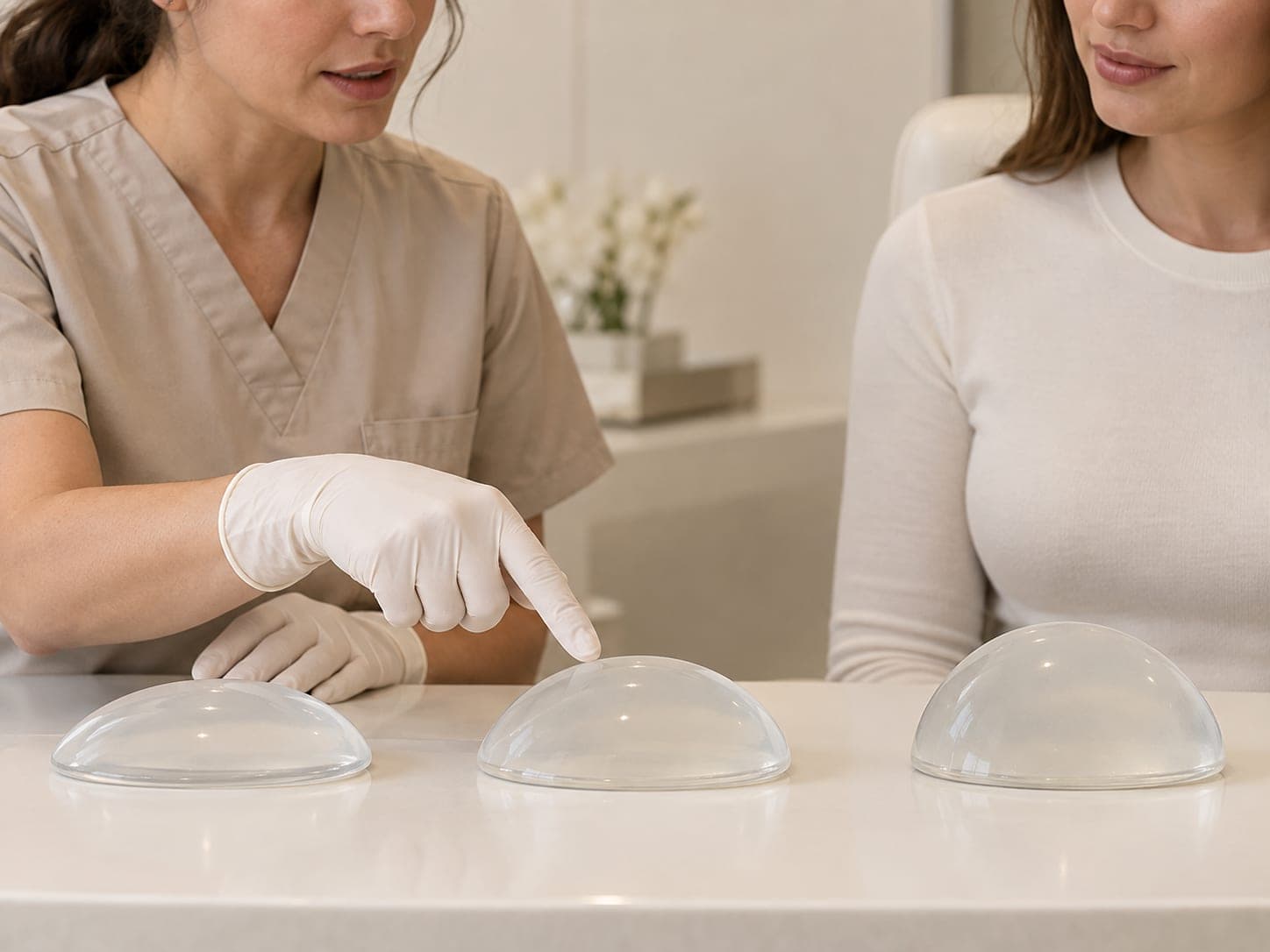
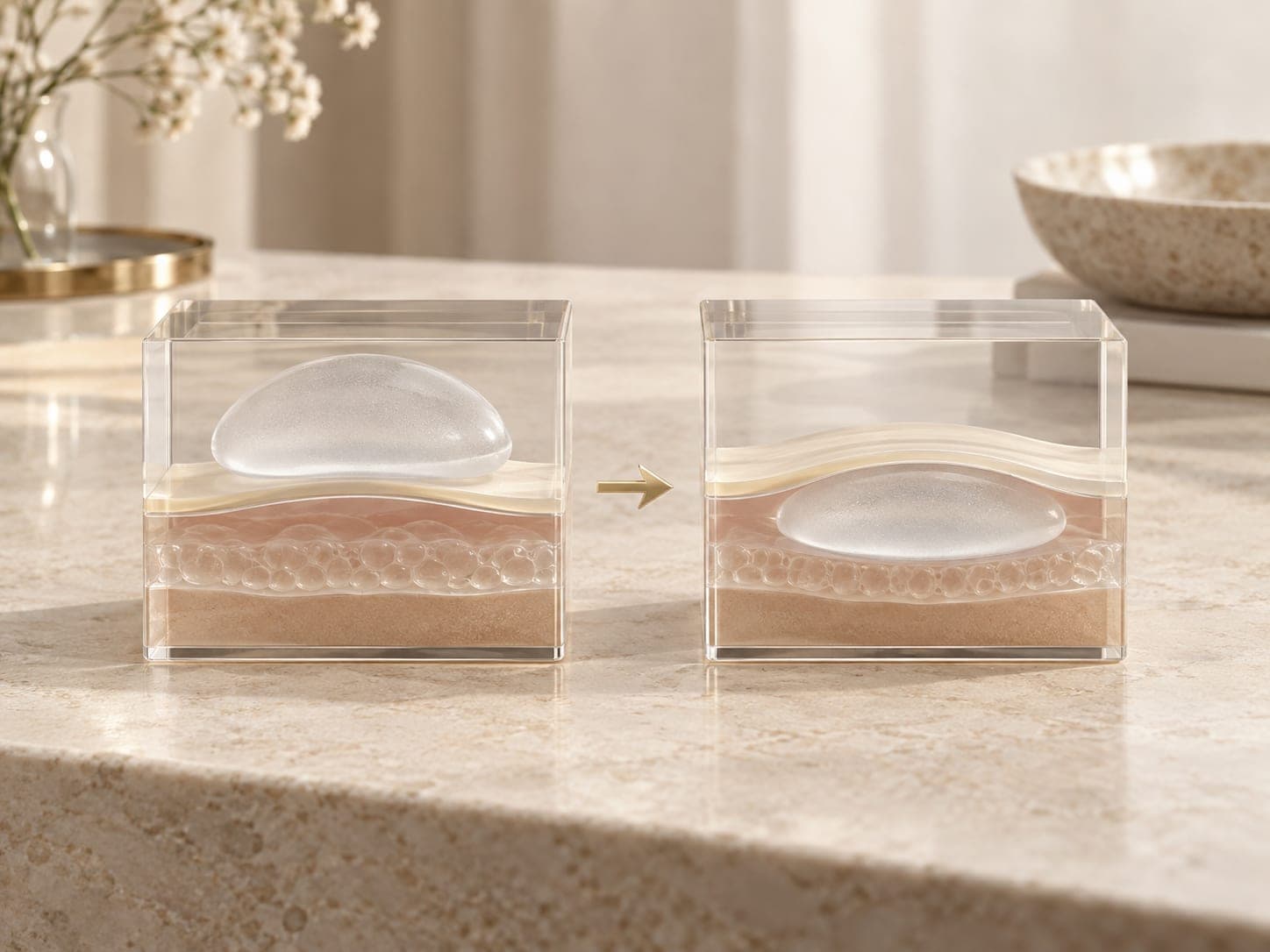
Implants are usually placed without removing breast tissue, so many people can breastfeed afterwards. The incision location can matter, and placement under the muscle may have less effect on the ducts. You can read more on our breast augmentation page.
Breast reduction
Because a reduction removes breast tissue and often repositions the nipple, there is a greater chance of reduced milk supply. Some people still breastfeed successfully, while others find their supply is lower or absent. Our breast reduction page explains the procedure.
Breast lift
A lift reshapes the breast and may reposition the nipple, which can affect the ducts and nerves involved in milk production and let-down, though many people are still able to breastfeed.
Why surgical technique matters
Breastfeeding relies on intact milk ducts, a good nerve supply to the nipple, and functioning glandular tissue. Techniques that preserve the connection between the nipple and the underlying ducts, and that limit disruption to nerves, tend to be more favourable for breastfeeding. Incisions around the areola can carry more risk to these structures than some other approaches. Your surgeon can explain how their technique might affect this. You can also explore the wider range of options on our breast surgery section.
What you can do
If you hope to breastfeed in future, the most useful steps are to raise it clearly at your consultation and to ask how the recommended technique might affect it. After any pregnancy, working with your midwife or a lactation specialist can help you establish and monitor feeding, and top-up feeding can be used if supply is lower than hoped. Keeping expectations realistic is wise, as no one can promise a particular outcome.
Can breastfeeding be predicted before surgery?
Not with certainty. Even without surgery, some people find breastfeeding straightforward and others do not, so it is never possible to guarantee it beforehand. Surgery can add to the uncertainty, particularly reduction and lift. Your surgeon can give you a realistic sense of how your planned procedure might affect things, but cannot promise a specific result.
Risks and limitations
As with any breast surgery, there are general risks such as bleeding, infection, changes in nipple or skin sensation, asymmetry and scarring. Specific to this topic, breastfeeding may be reduced or not possible afterwards, and this cannot be guaranteed either way. Sensation changes can also affect the let-down reflex. Your surgeon will discuss the risks relevant to your procedure and your feeding plans.
Is breast surgery right for you?
Whether to proceed, and when, depends on your goals, your feeding plans and an individual assessment. Some people choose to wait until they have finished having children. A consultation allows your surgeon to weigh these factors with you.
Planning ahead if you hope to breastfeed
If breastfeeding is a priority, planning can make a real difference. Some people choose to postpone breast surgery until after they have finished having children, since pregnancy and breastfeeding change the breasts and can alter a surgical result. Others proceed but ask their surgeon to favour techniques that are more mindful of preserving milk ducts and nerve supply where possible.
Whatever you decide, being open about your intentions allows your surgeon to tailor their advice. After the birth, early support from a midwife or lactation consultant can help you establish feeding and monitor whether your baby is getting enough milk, and supplementary feeding is available if supply is lower than hoped. Approaching it with flexibility and realistic expectations tends to be less stressful than expecting a guaranteed outcome, because breastfeeding can be unpredictable for anyone, with or without prior surgery.
Breastfeeding after breast surgery: the key points
Breastfeeding after breast surgery is often possible but never guaranteed, and the impact depends on the procedure and technique. Raising your plans early, choosing an approach mindful of breastfeeding, and seeking support afterwards all help. Because so much is individual, a personal assessment is the best next step, and you are welcome to arrange a consultation to discuss it.
Frequently asked questions
Can you breastfeed after breast augmentation?
Many people can, because implants are usually placed without removing breast tissue. The incision and placement can matter, but breastfeeding cannot be guaranteed for anyone.
Does breast reduction stop you breastfeeding?
Not always, but because tissue is removed and the nipple is often repositioned, there is a higher chance of reduced or absent milk supply. Some people still breastfeed successfully.
Will a breast lift affect breastfeeding?
It can, because reshaping and repositioning the nipple may affect ducts and nerves, though many people are still able to breastfeed afterwards.
Should I wait until after having children?
Some people choose to, as pregnancy changes the breasts and breastfeeding plans may be a factor. Your surgeon can help you weigh the timing.
Can anyone guarantee I’ll be able to breastfeed?
No. Breastfeeding cannot be guaranteed even without surgery, and surgery can add uncertainty. Your surgeon can give a realistic view but not a promise.
This article is for general information only and does not replace personalised medical advice. Outcomes vary between individuals, cannot be guaranteed, and all surgery carries risks. Suitability can only be determined through an individual consultation with a qualified surgeon.